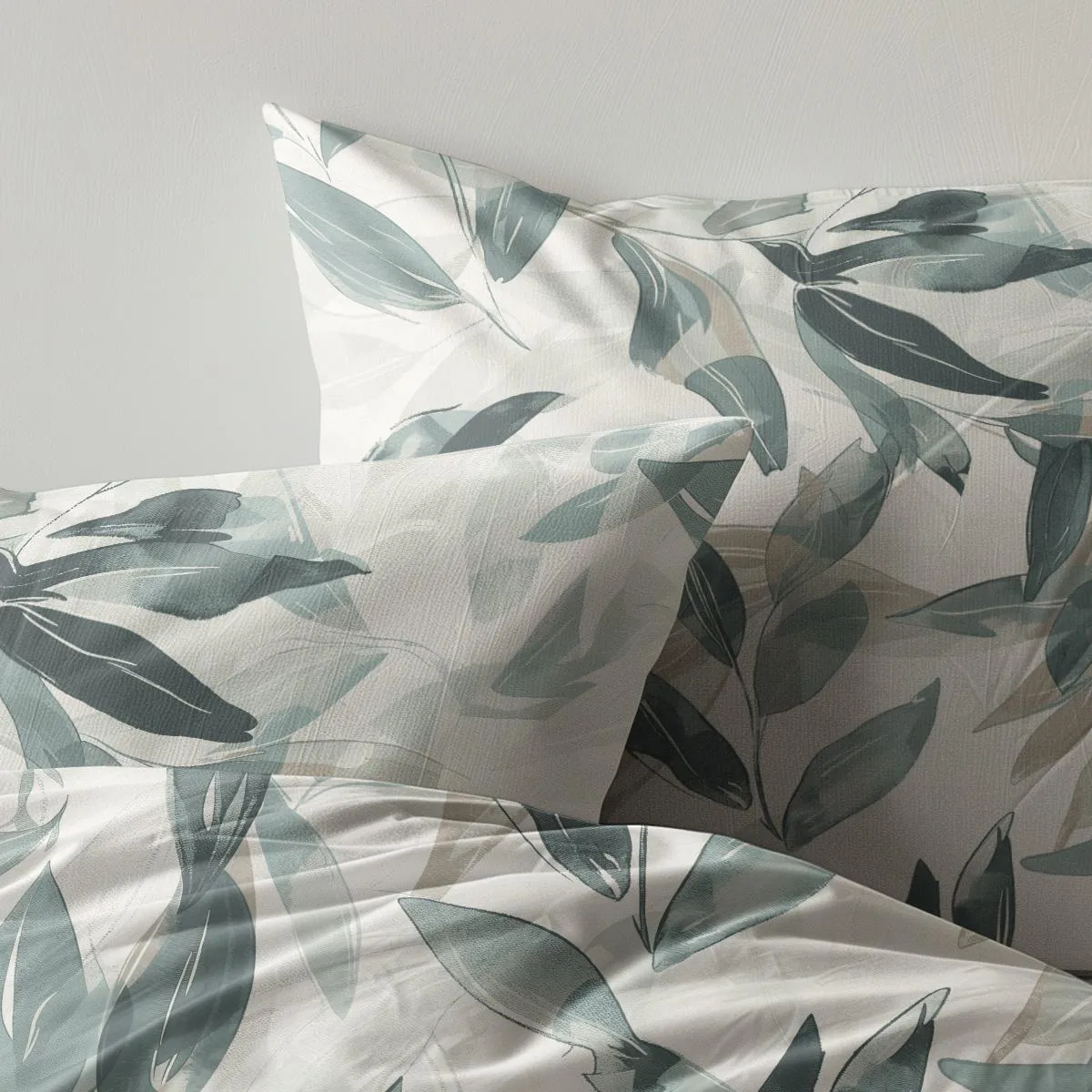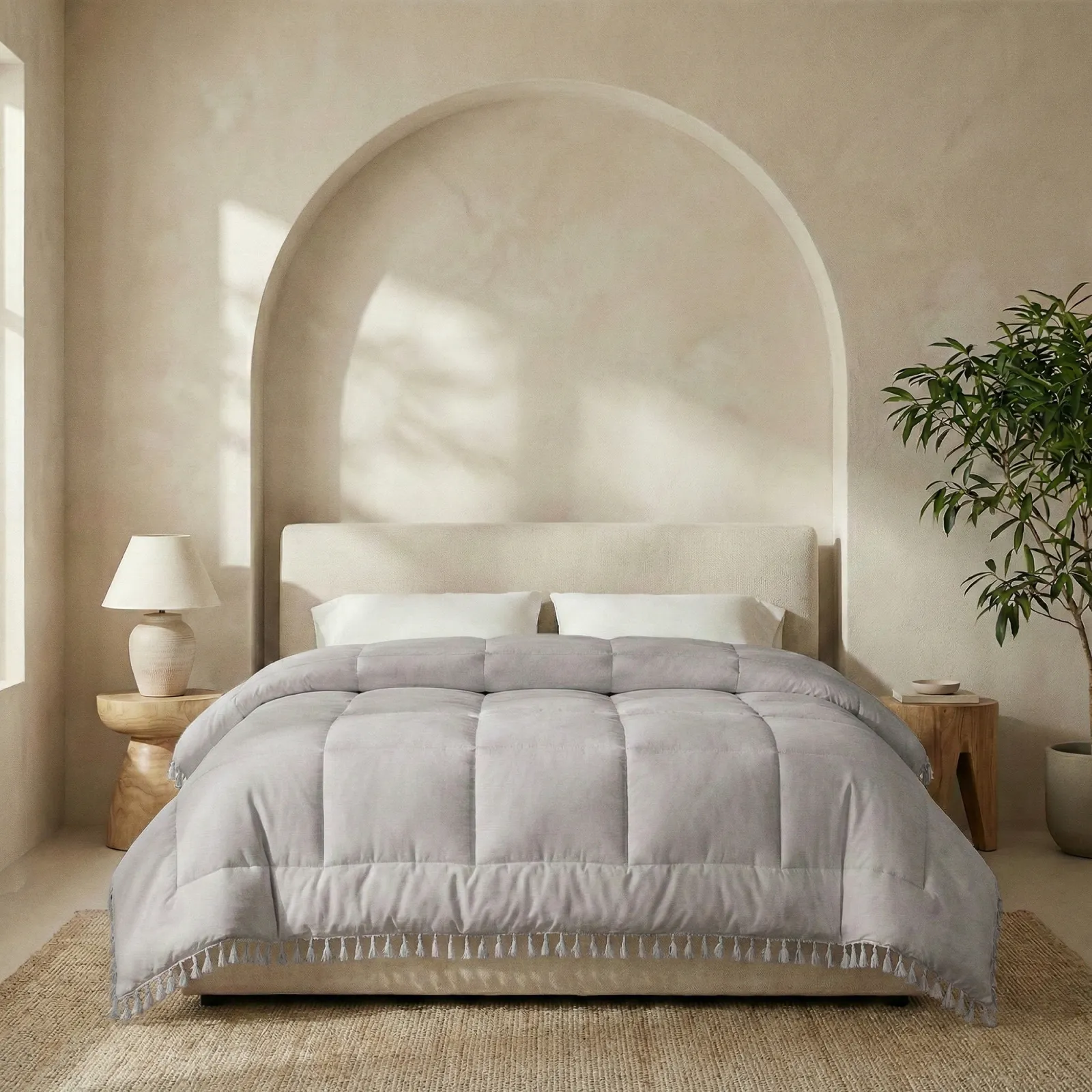
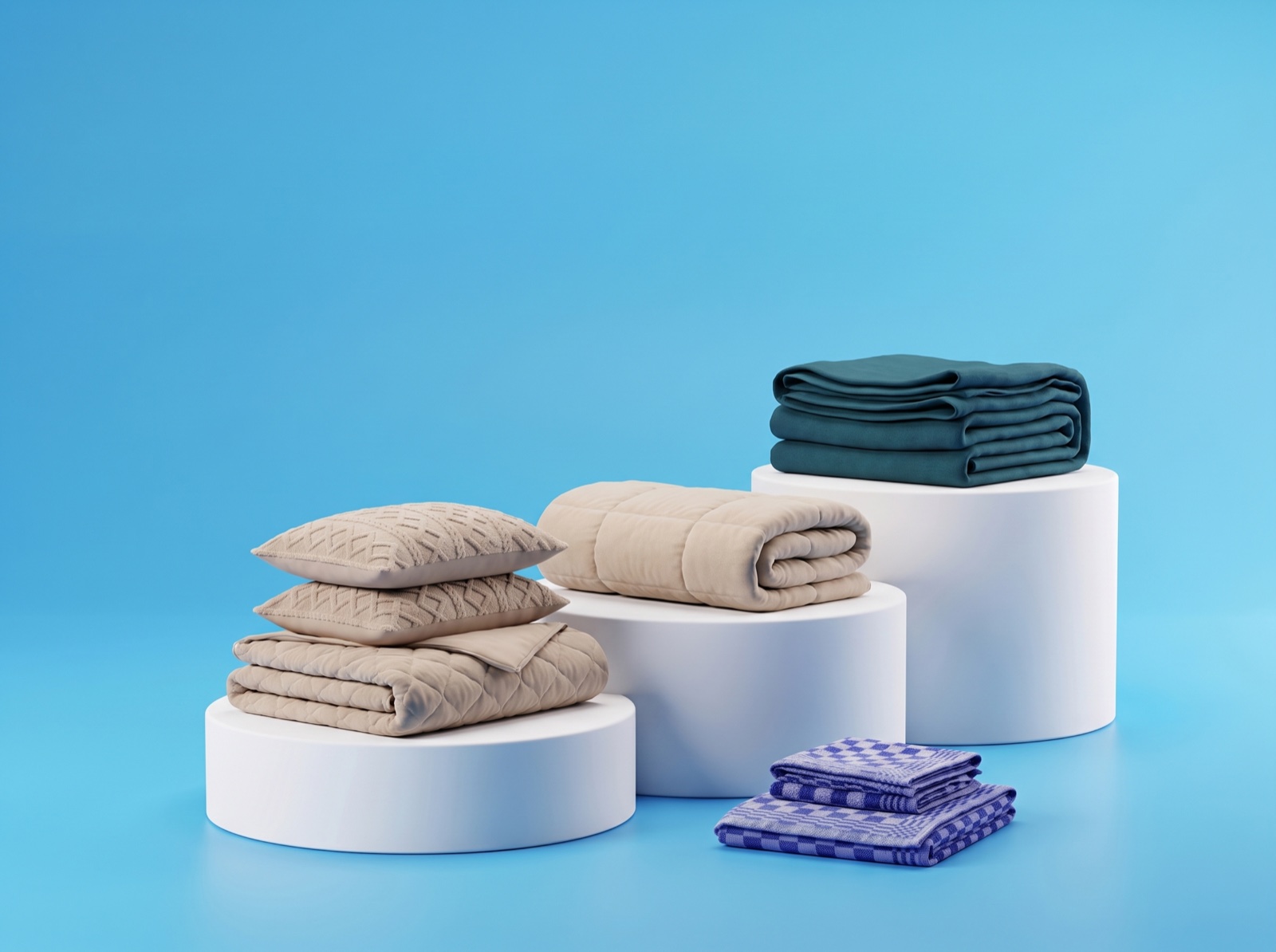
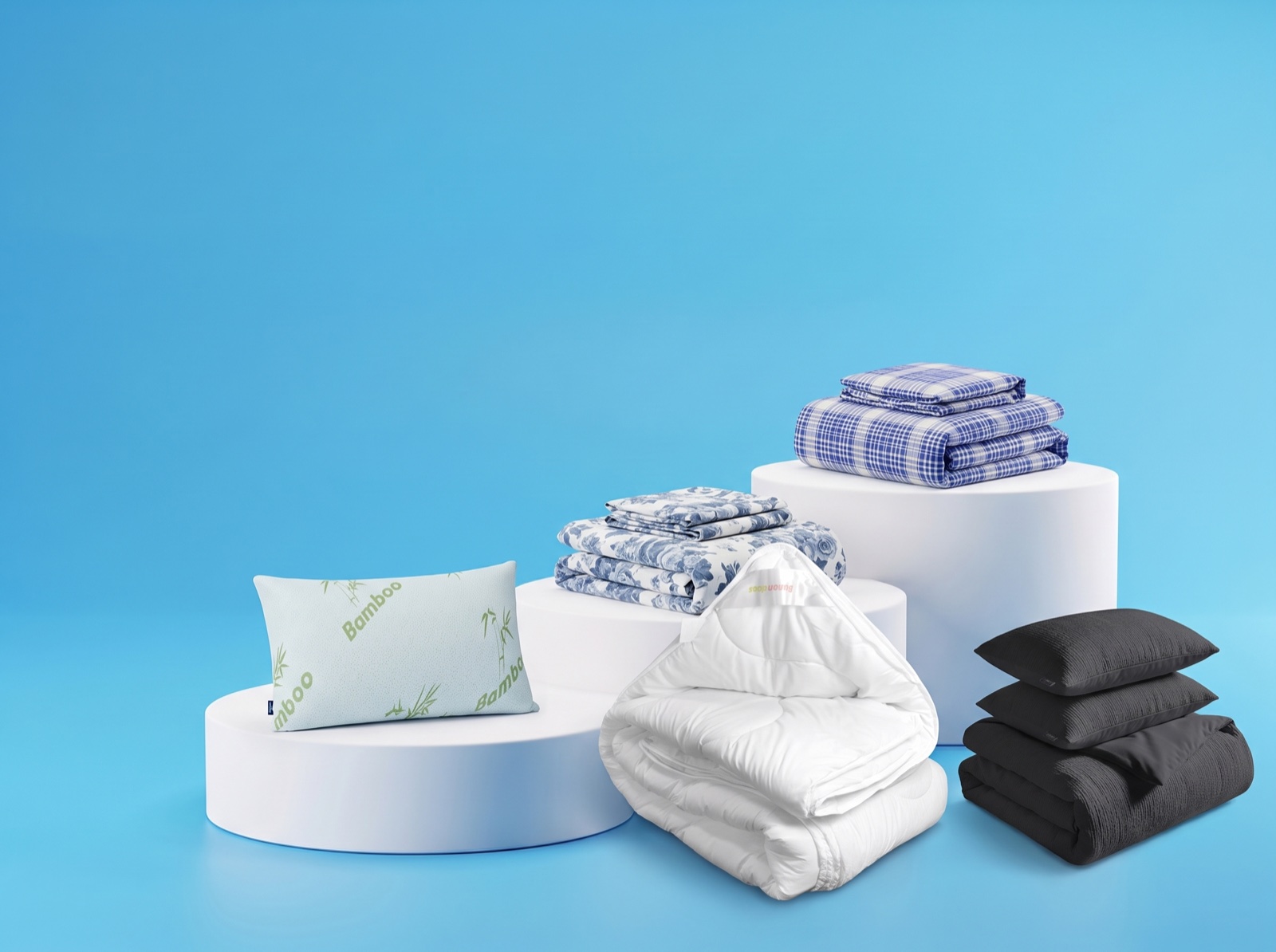
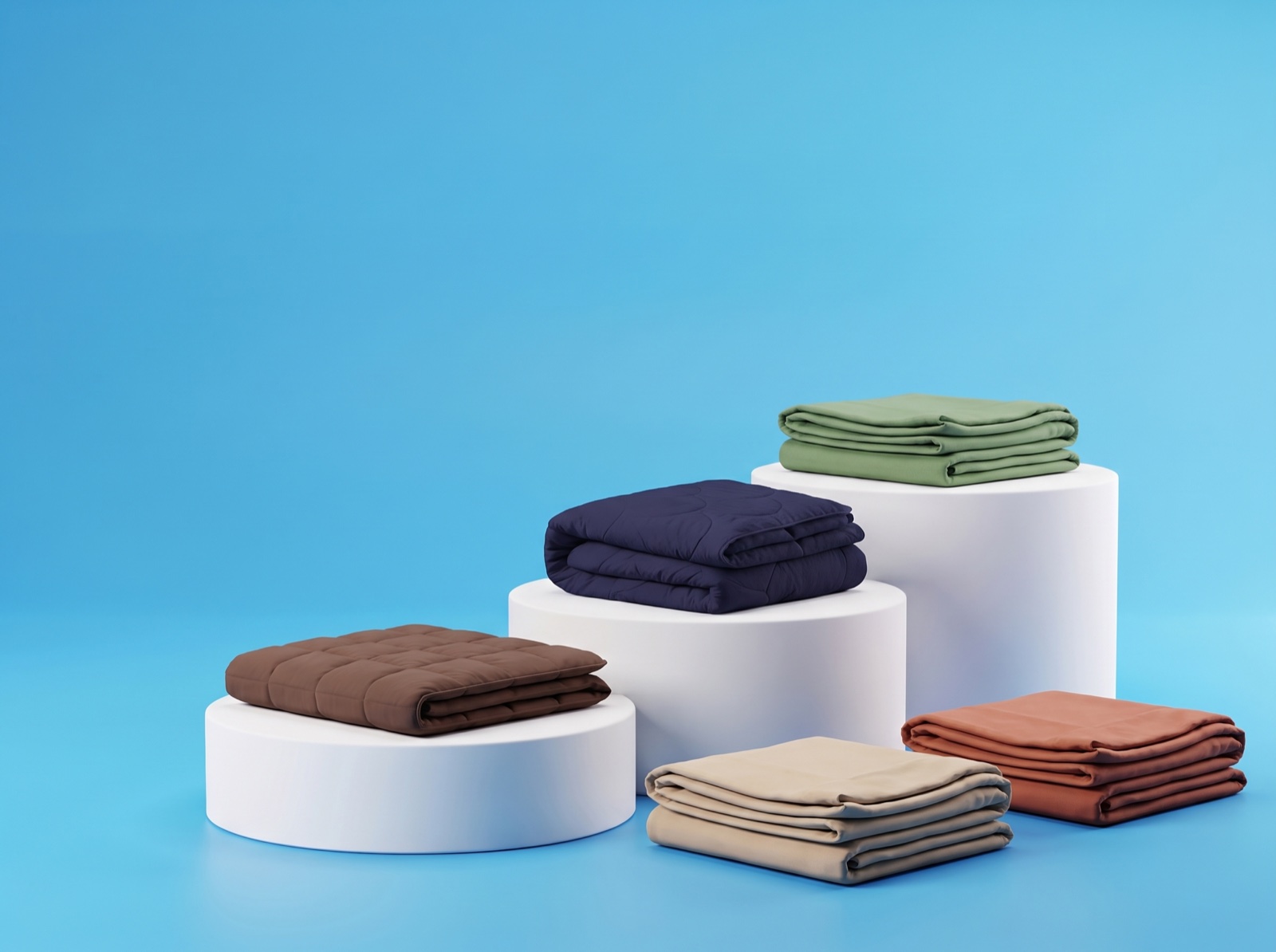
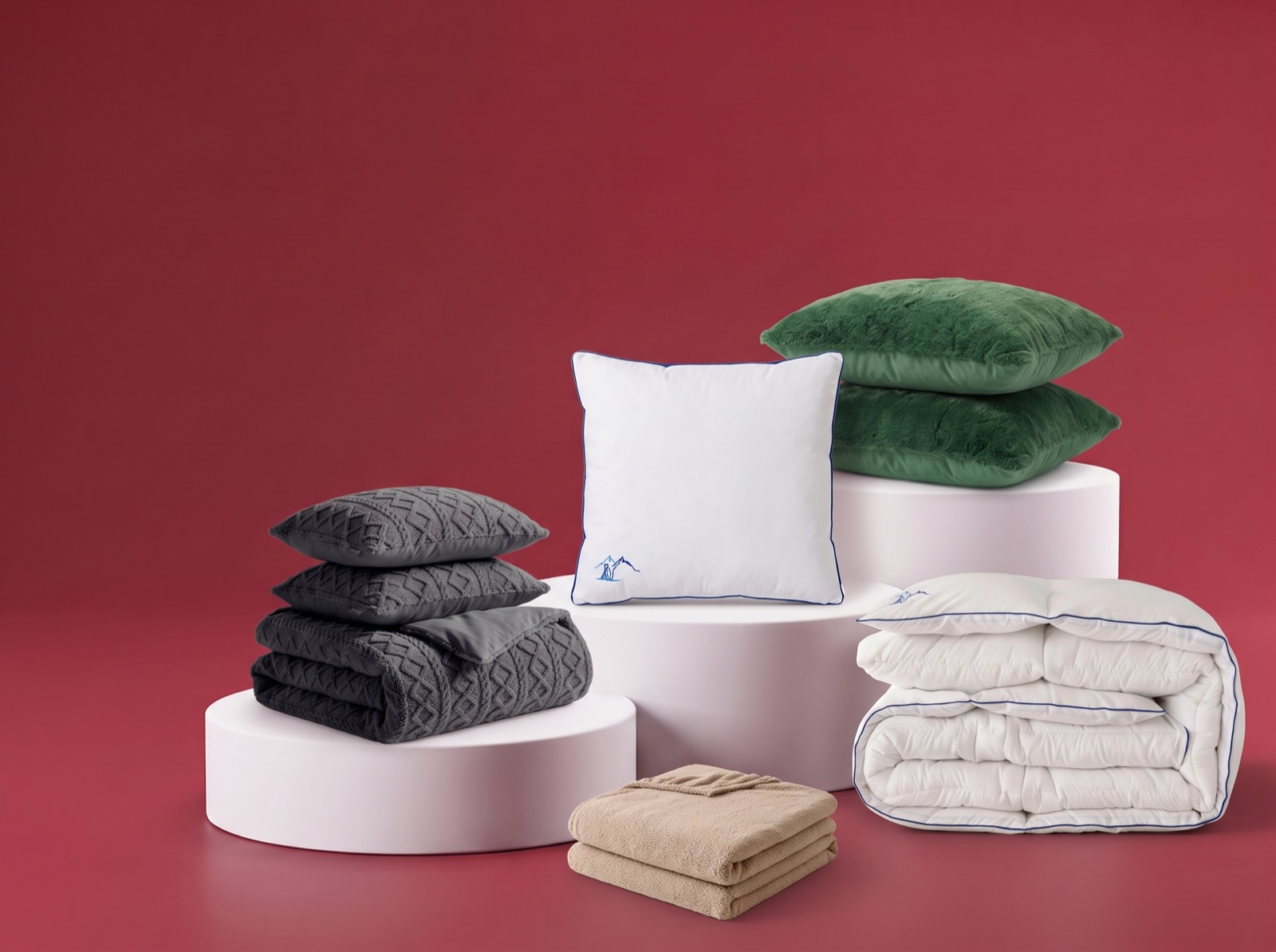












For many shops and webshops, the duvet cover is the product the whole bed linen shelf is built around. It is also the product where a wrong choice shows most: a gap in the sizes, a fabric with no story or a colour palette that doesn't suit the season. This month, buyers searched mainly for satin, percale, flannel and shades of grey in 100% cotton. Below, we walk through the choices that go with them.
Sizes: start with the basics, then expand
A duvet cover only sells if the customer can find the right size straight away. The standard sizes in the Netherlands are 140x200/220 for single duvets, 200x200/220 for double and 240x220 for oversized duvets. A complete shelf starts with these three and builds from there.
Pay attention to how covers combine with pillowcases and fitted sheets. A customer who buys a duvet cover wants to be able to pick up the rest in the same colour and fabric. So choose all sizes at once for each range, rather than many ranges in a single size only.
For hotels and contract projects, what matters most is that the size fits the duvet you already use. If you are looking for a contract version, such as the snugfit variant, ask for the specifications and fit of each product before committing to a range.
Fabrics: satin, percale, cotton and flannel
Each fabric has its own role on the shelf. If you can explain the differences in two sentences, your sales staff can too.

- Cotton satin (sateen): a soft, supple drape and a subtle sheen. Suitable for the customer who wants luxury without switching to synthetics.
- Percale: a matt, crisp and fresh weave. It suits customers who like a cool, airy cover, which makes it a logical choice for spring and summer.
- Cotton (basic): 100% cotton in plain colours is the all-rounder. For a broad customer base, this is the fabric that works all year round.
- Flannel: a brushed, warm fabric for autumn and winter. It sells on feel, so display it where customers can see and touch it on the shelf.
The term satin, which in search behaviour is often used separately from cotton satin, needs a clear explanation. State in the product description whether it is cotton satin, so the customer knows what they are buying.
Colour strategy by season
A good colour plan doesn't need dozens of shades. It needs a fixed base with a changing layer on top.
The year-round base: grey is the colour buyers search for most. A light grey such as silver grey and a dark one such as anthracite, both in 100% cotton, together form a permanent core. They go with almost any interior and are easily complemented with white and sand.
Spring and summer: light and calm. Think white, soft grey and pastel shades in percale or light cotton. Keep the colours cool and place them at the front of the shop or at the top of the category page.
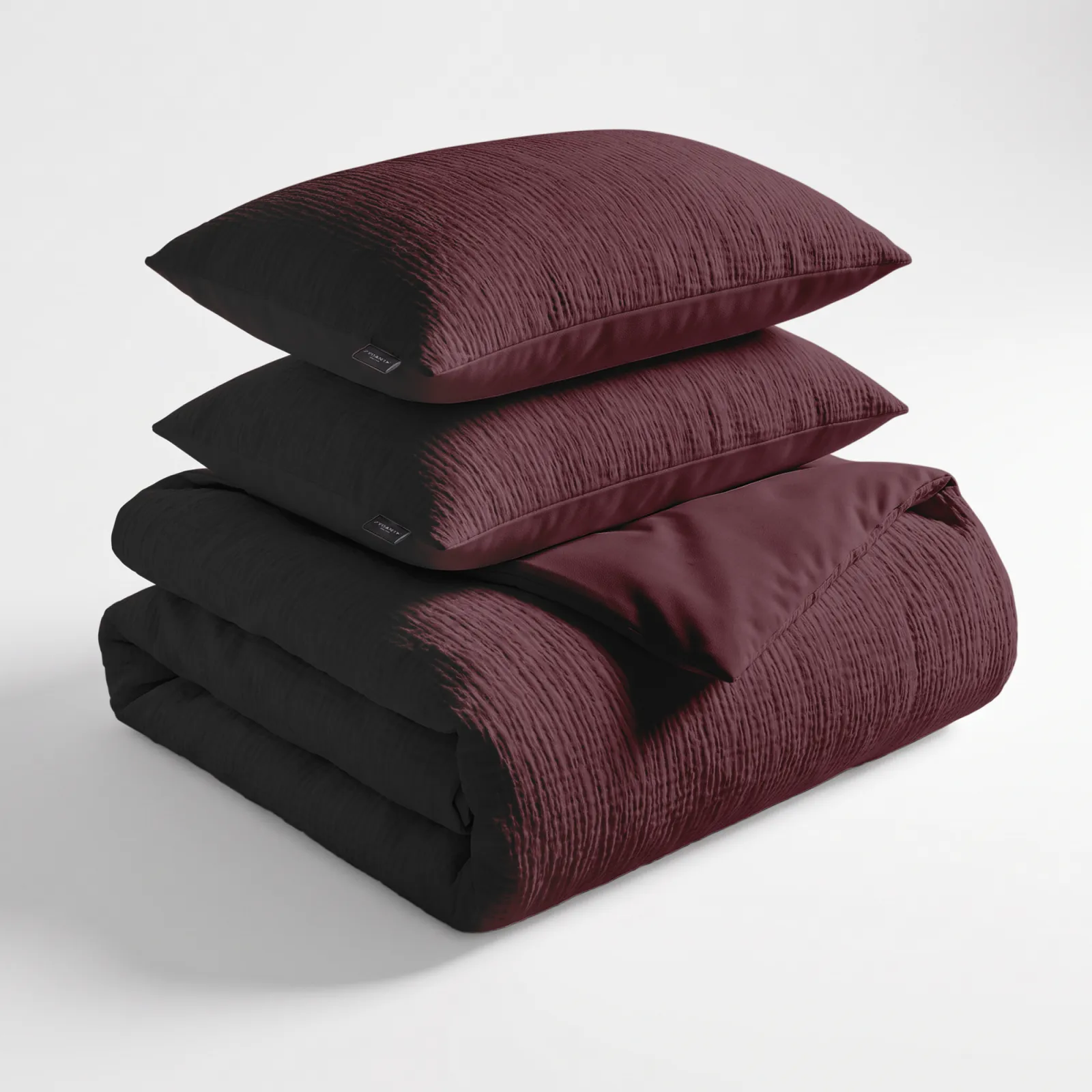
Autumn and winter: deeper and warmer. Anthracite, earth tones and dark colours in flannel or cotton satin give the shelf a different character without you having to replace your base.
Plan the changing layer for each season at roughly a third of the shelf and leave the base in place. That way the shelf stays recognisable and you complete your seasonal changeover without large amounts of leftover stock.
Practical buying tips
- Secure the basic sizes first, and only then add seasonal colours.
- Buy duvet covers and pillowcases in the same range and colour.
- Decide on one clear sales message for each fabric: cool, soft or warm.
- Ask for the washing instructions for every product and put them on the label or product page.
- Quality marks such as OEKO-TEX apply per product, with a certificate. Request the certificate for the products you want to advertise it on.
- For hotels and projects: choose fabrics that suit your laundry processes and decide which colours you want to keep buying over the longer term.
Frequently asked questions
What is the difference between percale and satin?
Percale feels matt, crisp and fresh. Satin has a smooth, supple drape and a subtle sheen. Both can be made of cotton, so check the description of each product.
Which colours are a safe base for a shelf?
Shades of grey such as silver grey and anthracite in 100% cotton, complemented with white, work for most customers all year round. Add seasonal colours on top.
When should I choose flannel?
Flannel suits the colder months. Include it in your autumn and winter range and place it next to cotton in the same colour family, so customers can compare the fabrics.
Would you like to expand or refresh your shelf of duvet covers? As a shop, webshop or hotel, you can apply for a retail account with MPS Textiles. We will then discuss together which sizes, fabrics and colours suit your customers and seasonal planning.