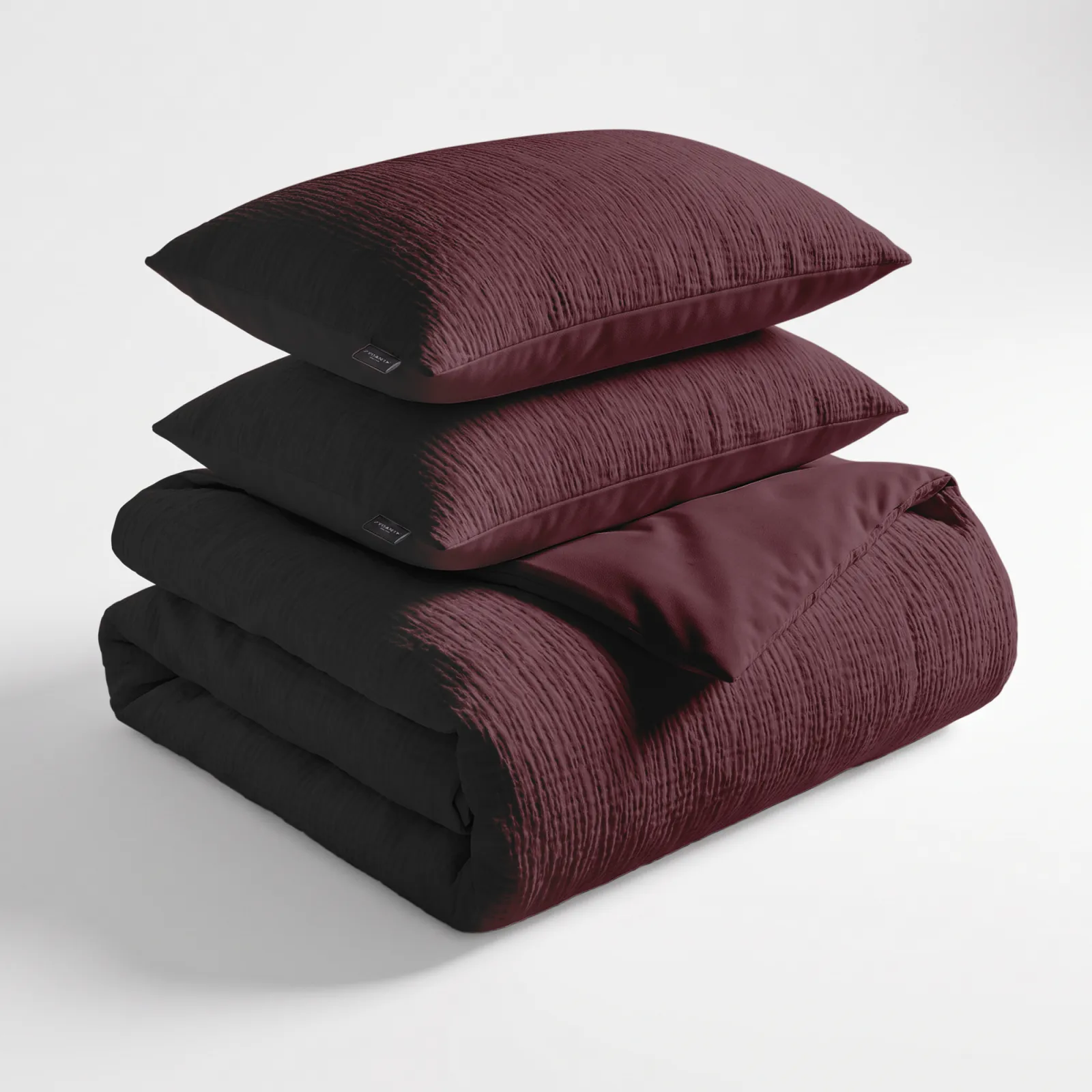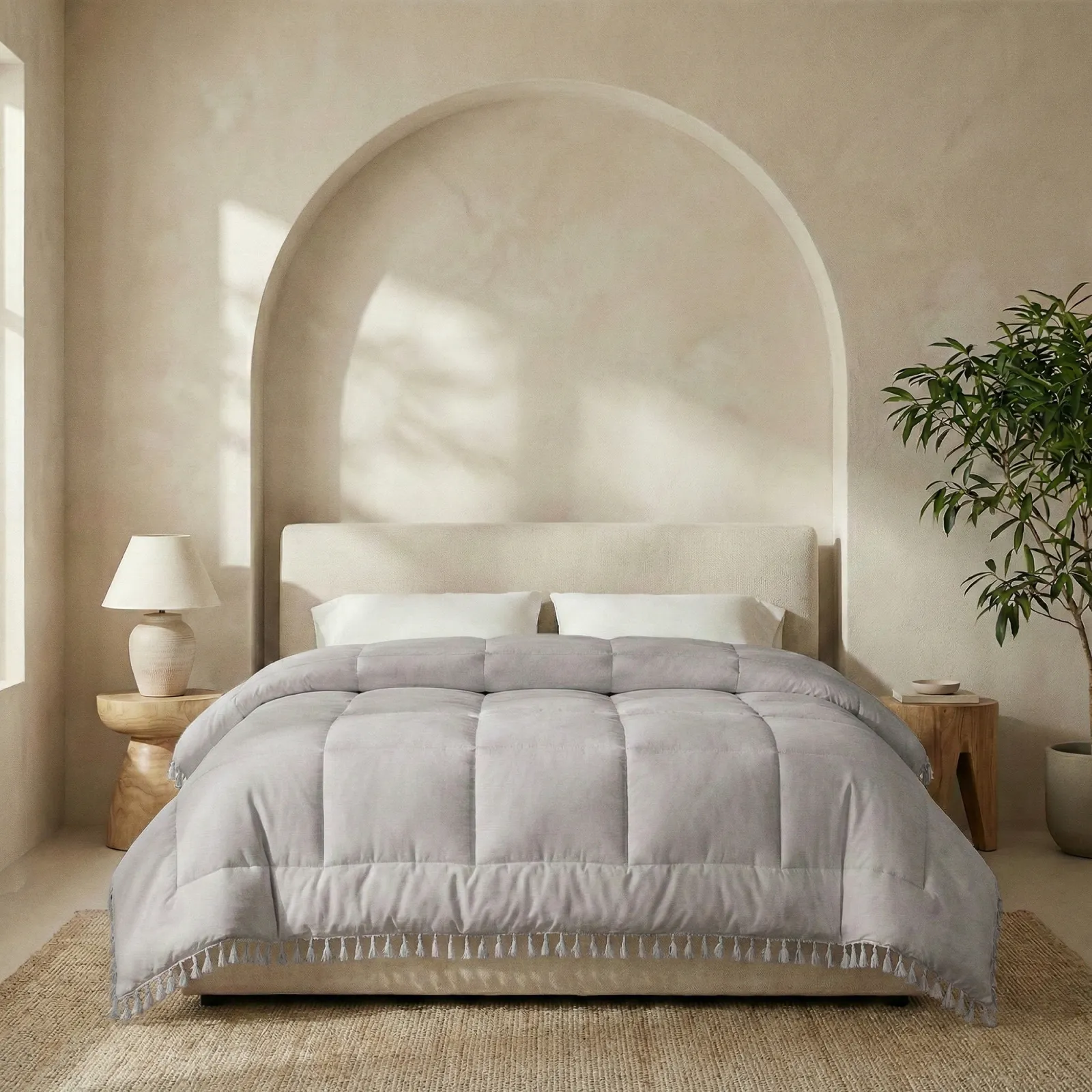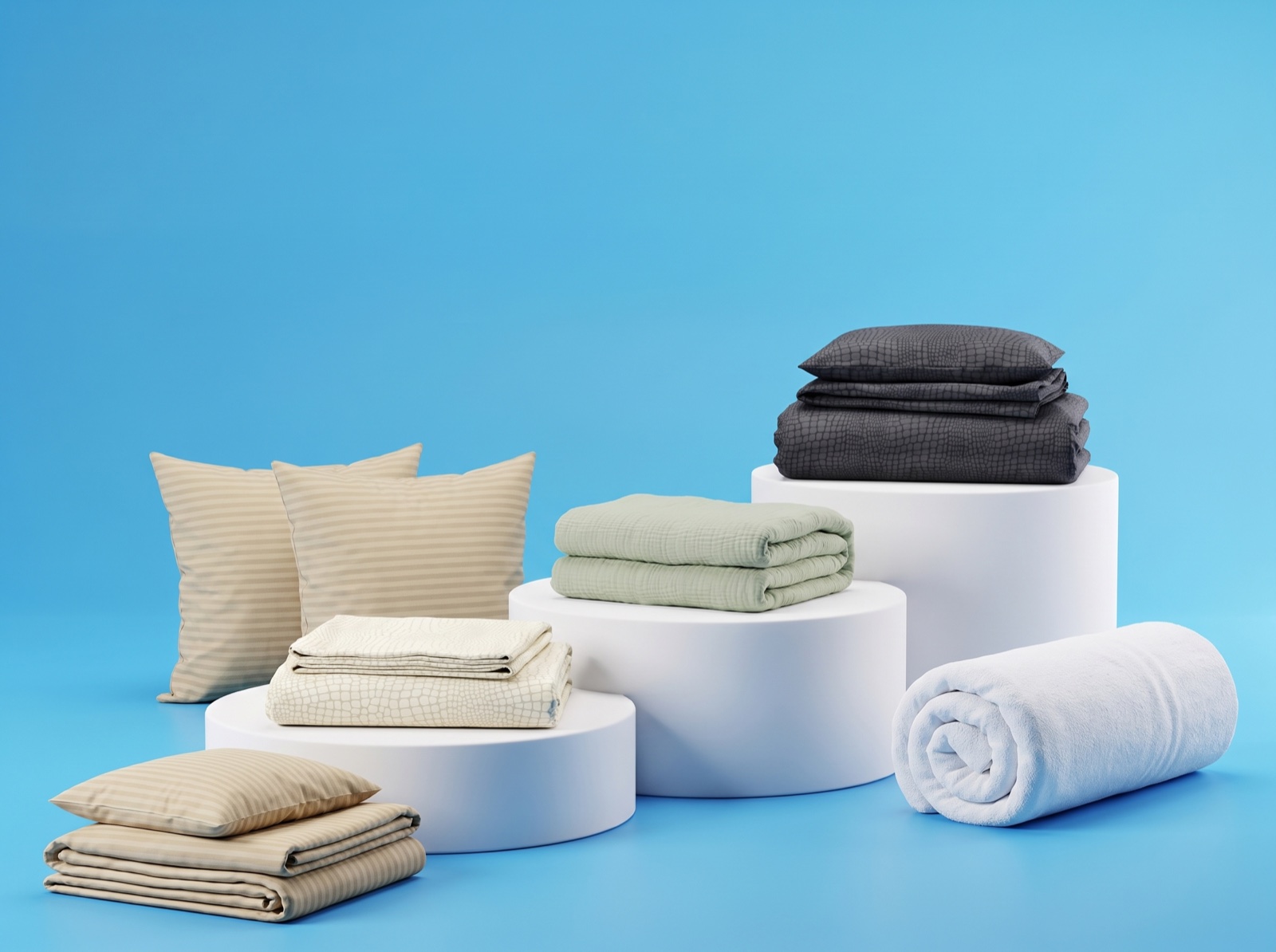
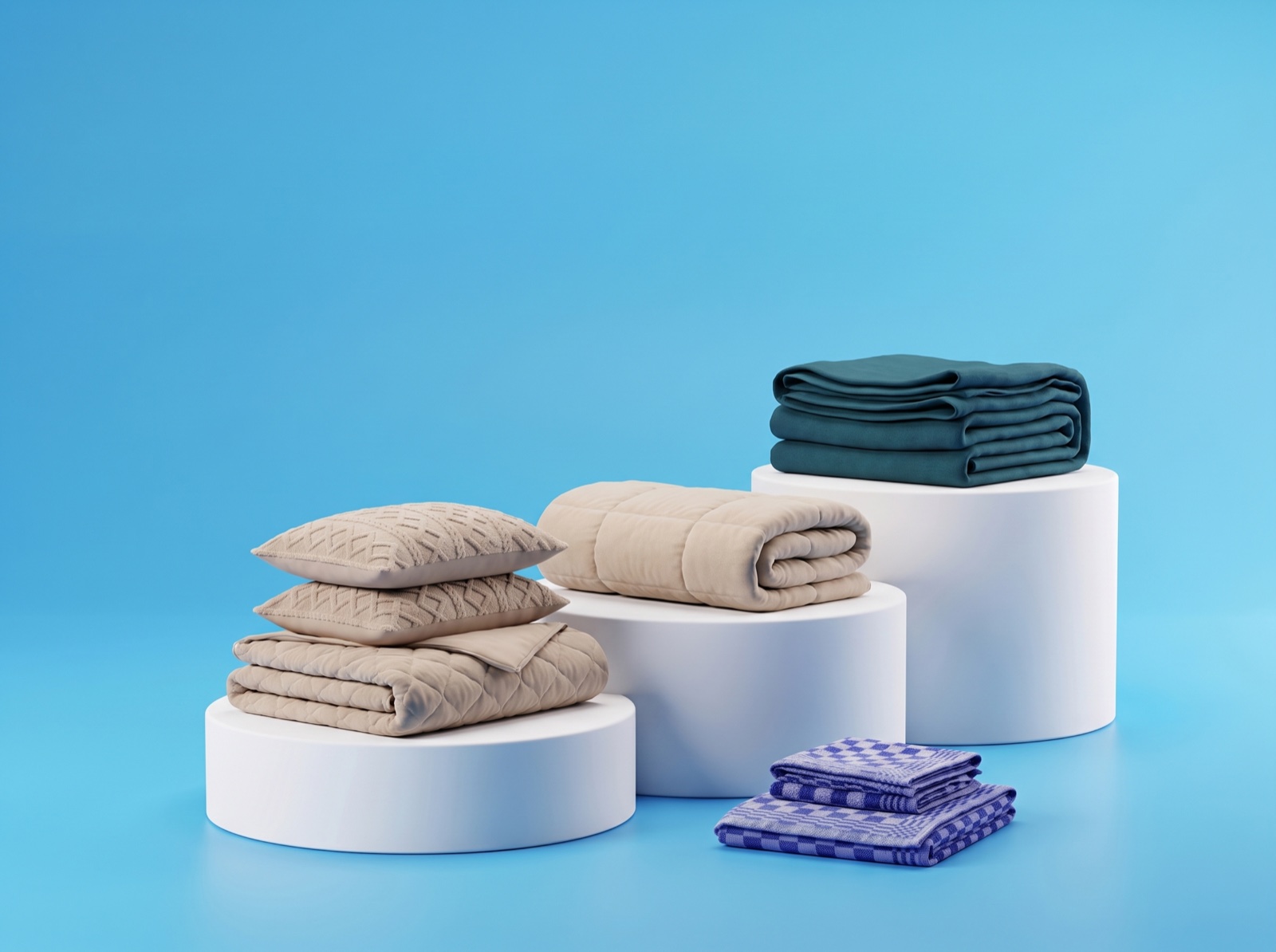










A flannel duvet cover is made from a brushed fabric that feels soft and warm. When buying, you first choose between cotton flannel and microfibre flannel. You then look at fabric weight, shrinkage and pilling during the first washes, and the design. This tells you which quality suits your customer and its place alongside teddy and smooth cotton on the winter shelf.
What is flannel and how does it differ from other fabrics?
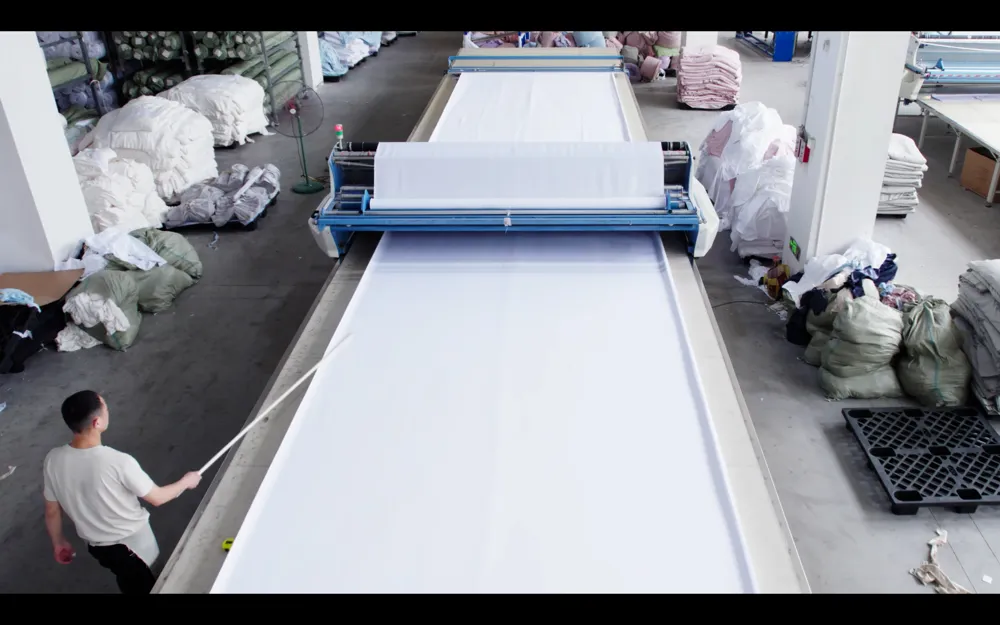
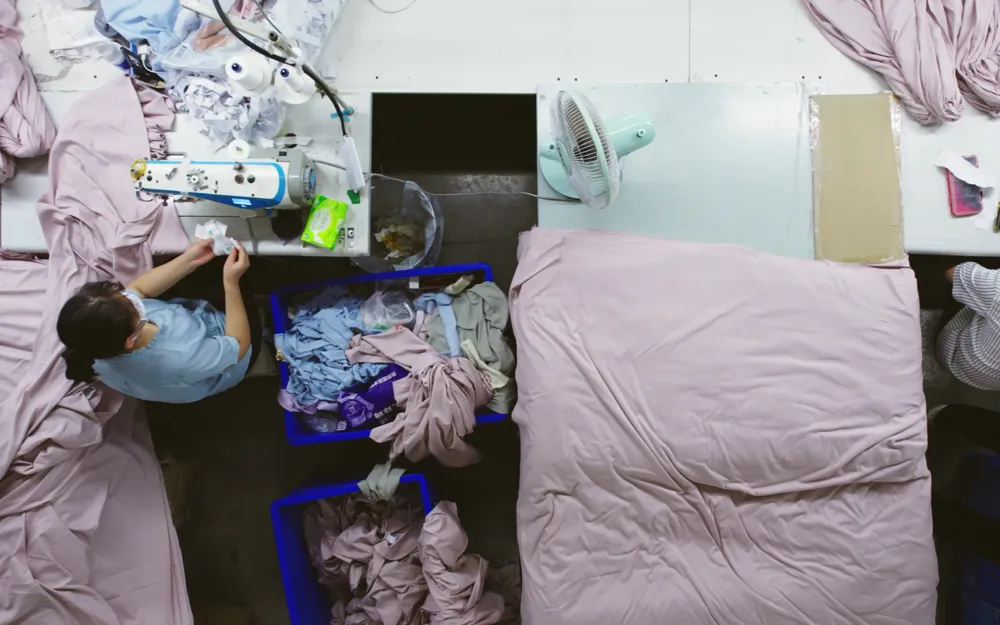
Flannel is not a fibre but a finish. The fabric is brushed: short fibre ends are raised at the surface, creating a soft, slightly fluffy side. Flannel was originally made from cotton. Today you will also find it in polyester microfibre.
The fabric can be brushed on one side or on both. With two brushed sides, the cover feels soft both inside and outside. With one brushed side, the other side is flatter. Check for each item which variant you are buying so that your product description is accurate.
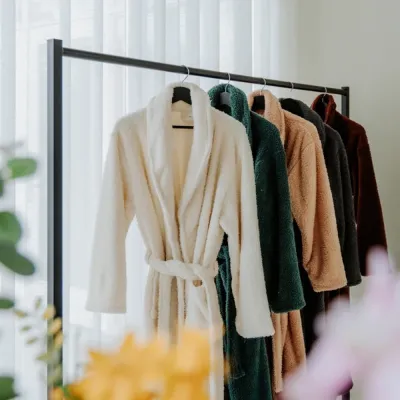
Teddy and velvet are other fabrics with their own construction and look. Flannel has a shorter, flatter surface than teddy and deserves its own section on your shelf.
Cotton or microfibre: what will the customer notice?
Customers notice the difference in feel, in care and in the value they attach to the product. The overview below will help you decide on the right balance for your range.
| Aspect | Cotton flannel | Microfibre flannel |
|---|---|---|
| Feel | Natural, soft and dry to the touch | Smoother and often slightly velvety |
| Care | Follow the washing instructions; shrinkage is possible | Usually easy to wash and quick to dry |
| Shrinkage | May occur during the first washes | Generally limited |
| Perceived value | Often seen as higher quality | Often seen as an accessible entry point |
Many shops and webshops stock both. Cotton appeals to customers who look for natural materials. Microfibre suits customers who mainly want convenience. For hotels and holiday parks, how often the bedding goes through the laundry also matters. In that case, ask for the washing advice for each item beforehand.
Why does fabric weight matter, and what about shrinkage and pilling?
Fabric weight, usually expressed in grams per square metre, says something about density. A heavier flannel often feels full and warm and keeps its shape better. A lighter flannel feels thinner and can give a cheap impression more quickly. Only compare qualities of equal weight, and ask for the weight in the product information.
Shrinkage mainly affects cotton. After the first washes, the cover may become slightly shorter and narrower. Check that the size still fits a standard duvet afterwards, and record the washing instructions. A clear label or product page prevents returns from customers who washed at too high a temperature.
Pilling occurs during the first washes, as loose fibres are released from the brushed side. This is most noticeable with cotton. It is no reason to reject a quality, but it is a reason to inform the customer. Short washing instructions for the first wash will save questions to your customer service team.
Patterned or plain, and how do you place flannel on the winter shelf?
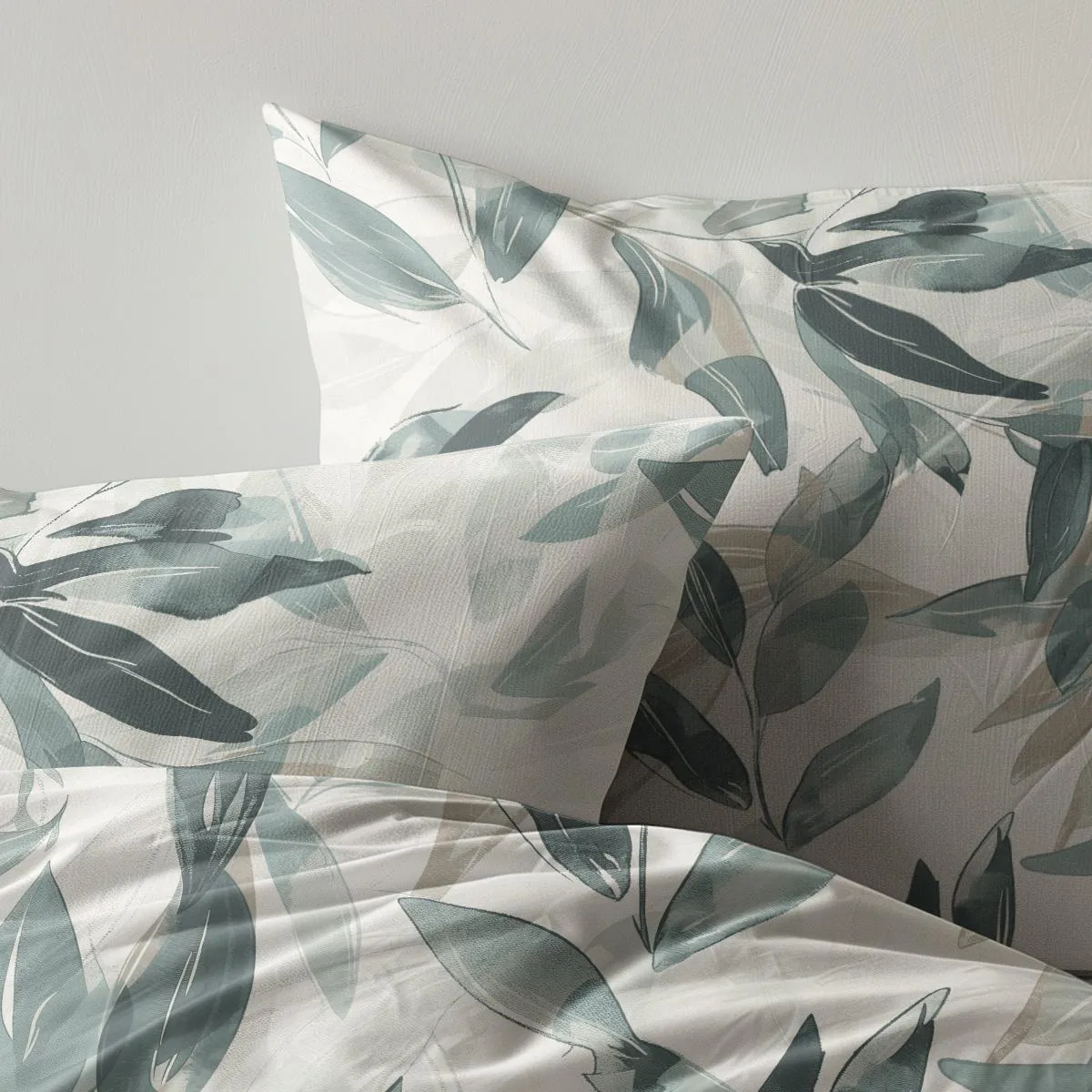
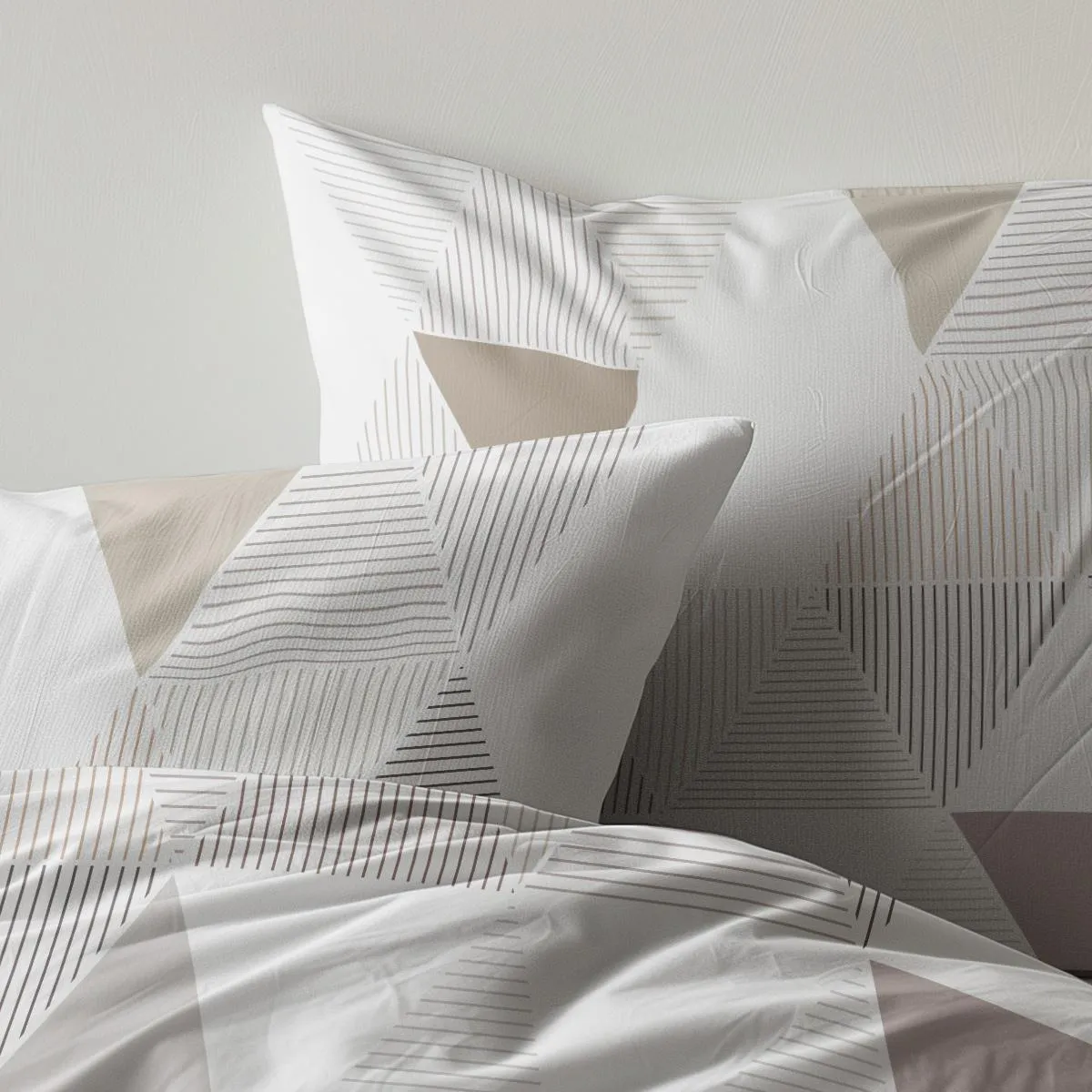
Designs are an important selling point for flannel. Checks, stripes and small motifs immediately evoke a wintry feel and work well in an autumn promotion. Plain flannel is calmer, easier to combine and quicker to reorder. A proven approach is a small group of designs on top of a base of plain colours, so that you can rotate the current designs each season without overhauling the entire shelf.
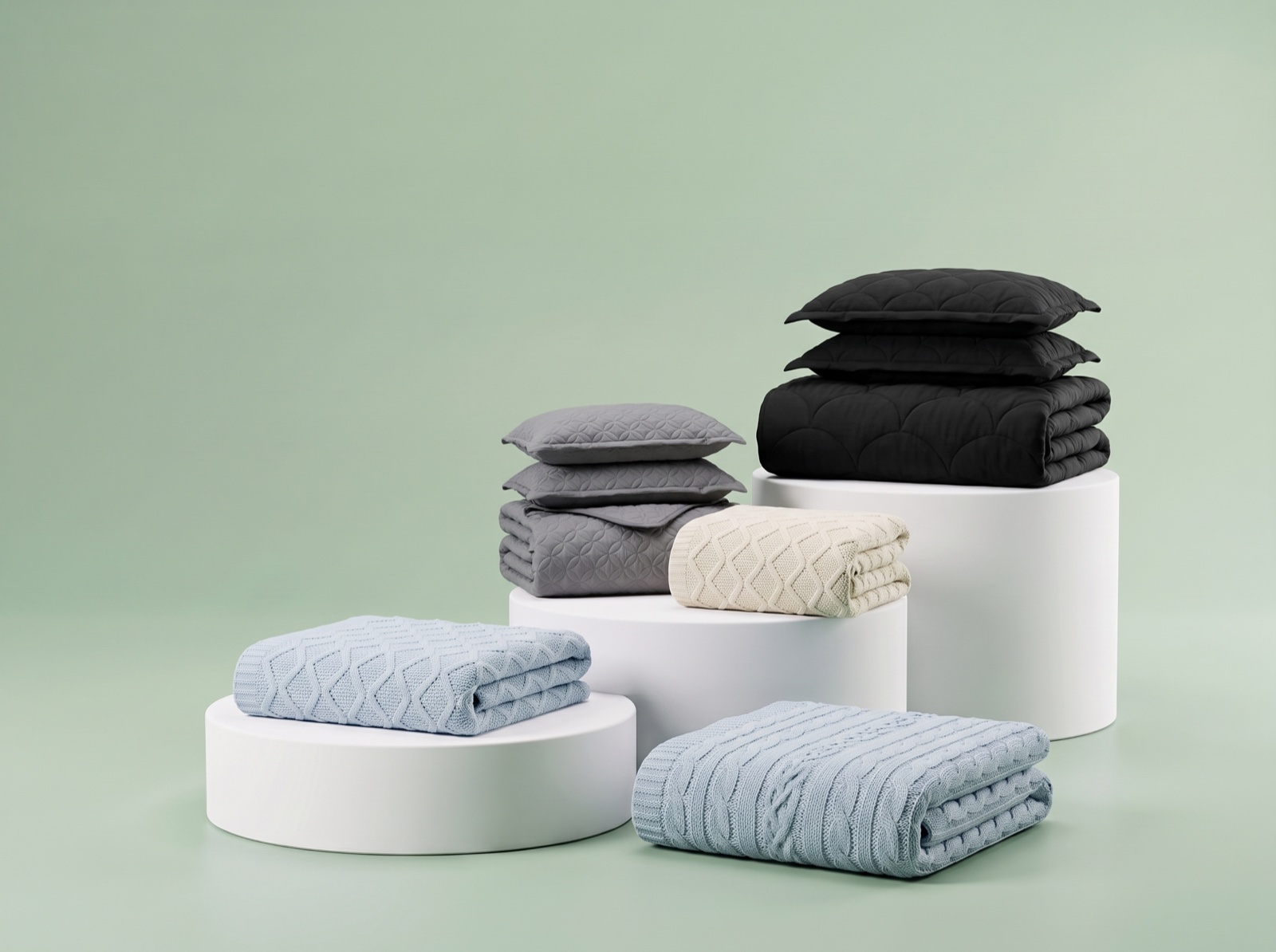
Place flannel next to teddy and smooth cotton as three levels of warmth. Teddy is the thick, fluffy choice for customers who want extra warmth. Flannel sits in between: soft and warm, but less heavy. Smooth cotton, such as percale or cotton satin, remains the choice for customers who prefer a cool, crisp bed. You can read more about how these fabrics relate to each other in our article on satin, percale, flannel and colour. We explore the winter shelf with teddy in the article on teddy fitted sheets and duvet covers.
Practical points for your buying:
- Ask for the material, weight and whether the fabric is brushed on one or two sides for each item.
- Compare cotton and microfibre on feel and care, not on price perception alone.
- Record the washing instructions and put them on the label and product page.
- Check that the size still fits after the first washes, especially with cotton.
- Choose a base of plain colours and keep the number of designs manageable.
- Stock flannel duvet cover sets with matching pillowcases, so the customer buys everything in one go.
- Place flannel at touch height next to teddy and smooth cotton.
Our range of duvet covers gives an overview of the fabrics you can stock alongside flannel.
Frequently asked questions
Is flannel the same as teddy?
No. Flannel is a brushed fabric with a short, flat surface, originally made from cotton and also available in microfibre. Teddy is a different fabric with a thicker, fluffy surface. They feel different to the customer, so display them separately on the shelf.
Does a flannel duvet cover shrink?
Cotton flannel may shrink during the first washes. Microfibre flannel generally shrinks very little. Ask for the washing instructions for each item, state them on the product, and check that the size still fits the customer's duvet after washing.
Why does flannel pill at first?
Flannel is brushed at the surface, which leaves loose fibres on the fabric. These are released during the first washes and remain as fluff in the drum or on the laundry. Short washing instructions with the product prevent questions and unnecessary complaints.
When should you choose plain and when a pattern?
Plain flannel is calm, easy to combine and simple to reorder, so it works well as a base. Designs such as checks and stripes add atmosphere to the winter shelf and work well in seasonal promotions. For most shops, a mix of a plain base and a small selection of designs is the most practical.
Would you like to buy flannel duvet covers and other winter fabrics at wholesale? Apply for an account at mpstextiles.com as a shop, webshop, hotel or holiday park.