








A pillow is rarely an impulse purchase. Customers want to know whether it suits the way they sleep, and hotel guests notice straight away if a pillow is too high or too flat. For buyers, this means building a range around sleeping position and filling rather than a long list of unrelated items. This article runs through the choices we saw most often in buyers' searches this month.
Pillows by sleeping position
Sleeping position largely determines how much height and support a pillow needs to provide. It is also the simplest language in which to speak to your customer.
Back sleepers need a medium height that keeps the head and neck aligned. Side sleepers need a higher, firm pillow to fill the gap between shoulder and head. Stomach sleepers do best on a low, soft pillow, so that the neck is not bent too far back.
A good complement for side sleepers is a leg pillow, also known as a knee pillow or side sleeper pillow. It sits between the knees and helps keep the hips in a relaxed position. It is an add-on item that pairs well with a firm pillow.
Filling: synthetic, down or memory foam
The filling determines the feel, the care requirements and the target group. So look not only at what looks good on the shelf, but also at who is buying the pillow.
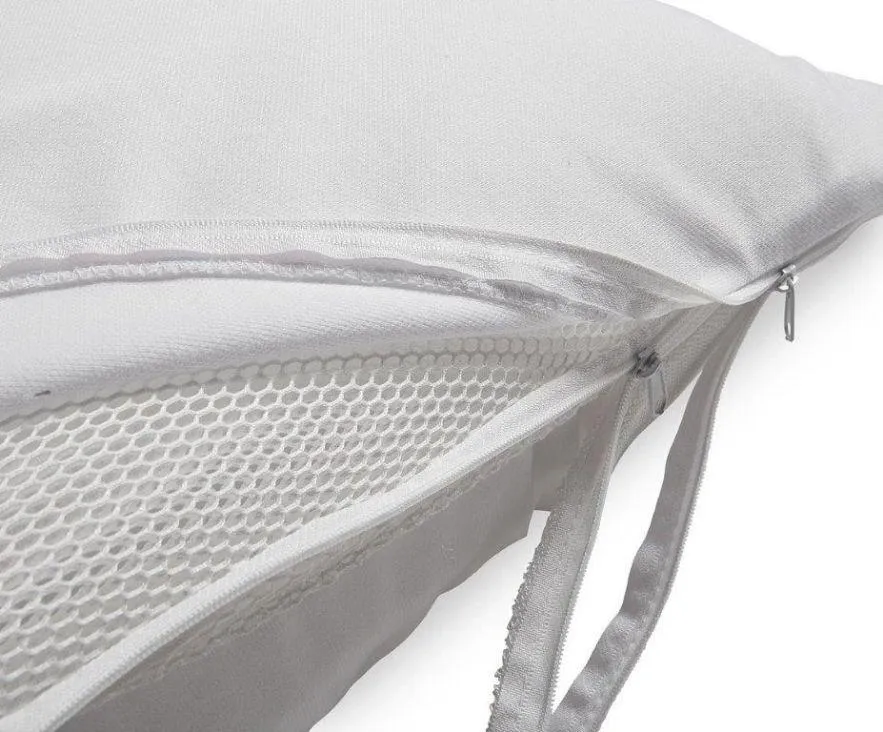
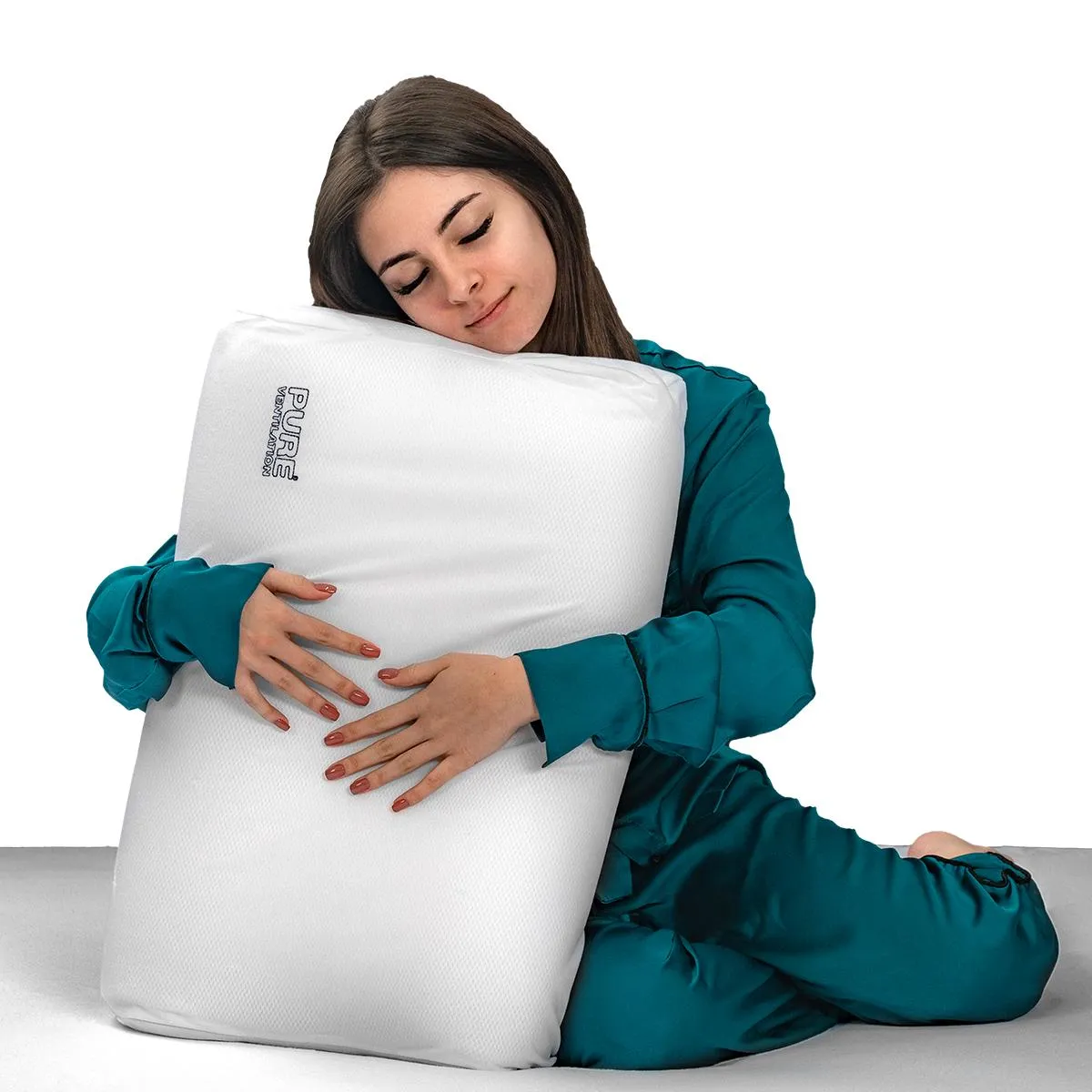
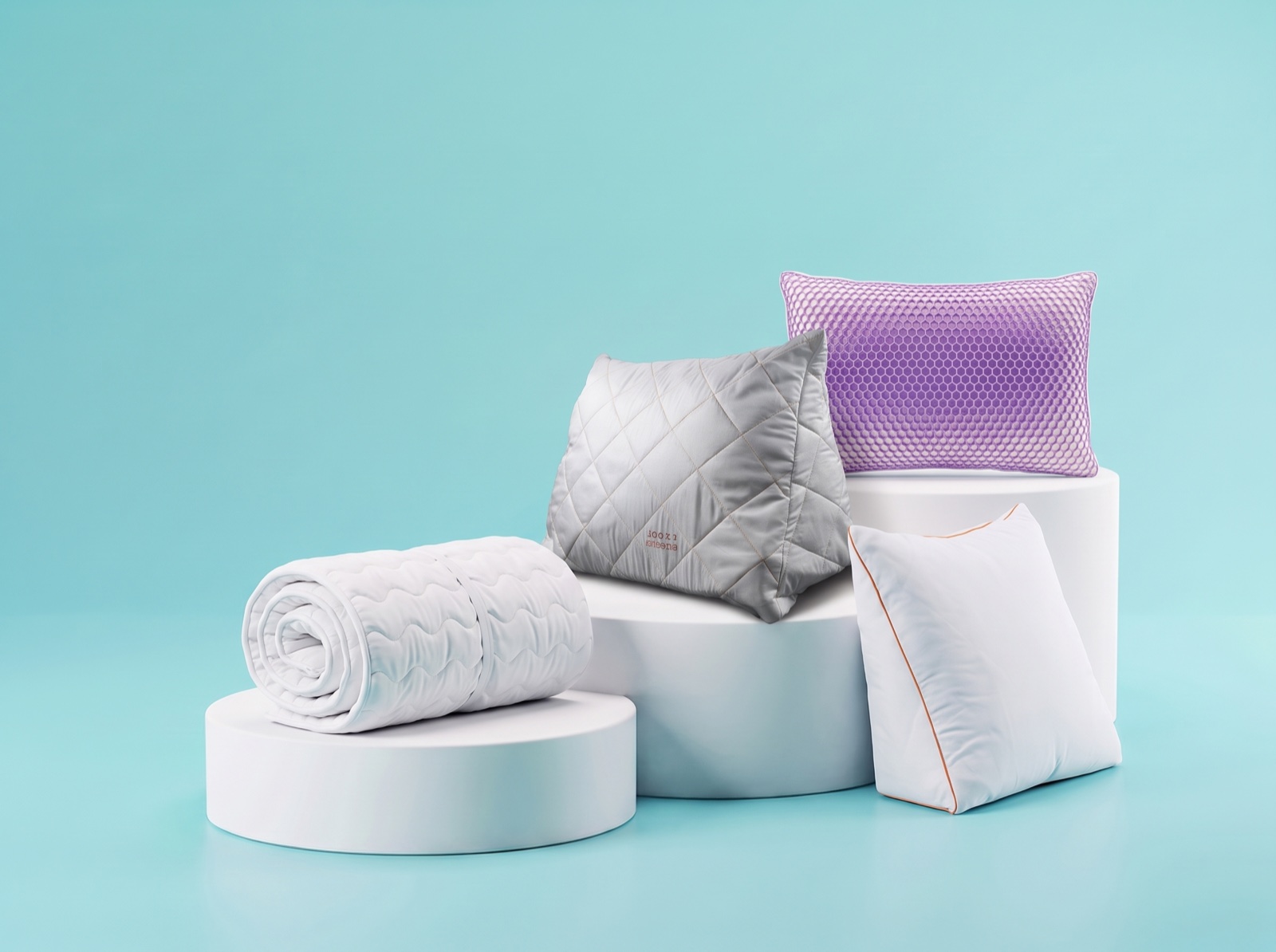
Synthetic filling is the broad foundation of the range. It is light, usually easy to wash and suitable for people who are sensitive to natural materials. A washable pillow has become a firm requirement for many customers, and for hotels it is a practical necessity. Check the washing instructions for each item and make sure they are clearly visible on the packaging and in your product descriptions. Synthetic pillows with a light, open filling, often described as airflow pillows, have a light, ventilating feel. Don't promise more than the product specifications support.
Down and feathers stand for softness and a pillow that can be shaped. This is a premium segment for customers who consciously choose natural filling. Care requires more attention, so explain how to look after the pillow.
Memory foam offers shape-retaining support and is popular with customers who have neck problems or a clear preference for firm support. It feels different from a traditional pillow. Where possible, let customers try it in store, or provide a clear description of the firmness online.
Ticking and cover: where quality begins
Searches for pillow ticks show that buyers also look at the outside of the pillow. The ticking is the fabric that encloses the filling. A tightly woven cotton ticking, for example in a percale weave, keeps the filling in place and feels fresh. Percale is known for its matte, cool look and feel. Details such as a lace edge or piping turn a basic pillow into a decorative item, but they do call for suitable presentation.
Pillowcases as an add-on sale
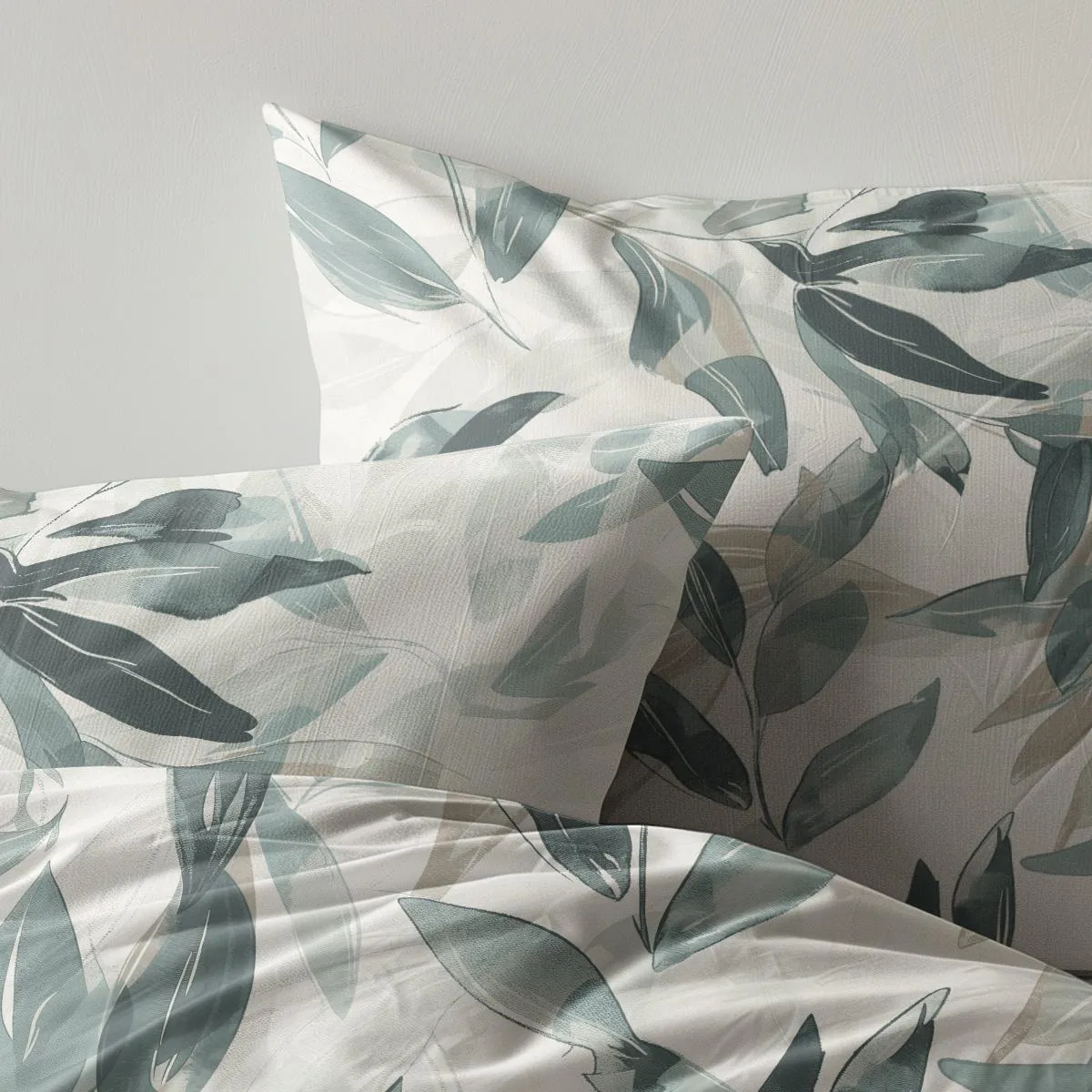
The pillow is a single purchase; the pillowcase is the repeat purchase. Microfibre pillowcases are light, quick-drying and practical for hotels and budget-conscious customers. Printed pillowcases are particularly interesting for retailers who want to combine pillows with duvet covers in a complete set. Keep the sizes of pillowcase and pillow matched, so your customer never has to wonder.
How to arrange a pillow wall
A pillow wall works best when customers can make a logical choice from left to right. Combine that order with clear information at each pillow. For your selection, take a look at our range of pillows for retailers and translate it into a shelf or category page.
- Arrange by sleeping position (back, side, stomach) and within that by firmness, from soft to firm.
- Group by filling, so that synthetic, down and memory foam remain visibly separate.
- Give washable pillows a clear label and show the washing instructions.
- Place leg pillows and pillowcases directly next to the pillows as an add-on sale.
- Keep a compact core range and supplement it with one or two premium options.
- Ask for quality marks for each item and keep the certificates on file, for example OEKO-TEX, per certified item.
- Use the same layout online as in store, with filters for sleeping position and filling.
Frequently asked questions
Which pillow suits which sleeping position?
Back sleepers should choose a medium-height pillow, side sleepers a higher and firmer model, and stomach sleepers a low, soft pillow. A leg pillow can complement the side-sleeping position.
Is a washable pillow only of interest to hotels?
No. Consumers too are increasingly paying attention to care and hygiene. For hotels, washability is mainly a practical matter; for retail, it is a strong selling point.
How do I choose between synthetic, down and memory foam?
Choose synthetic as a broad foundation, down for the natural premium segment and memory foam for customers looking for shape-retaining support. Let your target group make the final decision.
Would you like to buy pillows, pillowcases and matching items for your shop, webshop or hotel? Apply for a retailer account with MPS Textiles and find out what we can do for your range.