







Buyers have been searching unusually often this month for forward buying, pre-orders and seasonal planning for 2027. That makes sense. If you lock in your core range early, you keep room to adjust later. This article explains what you are best off deciding now, what to leave open and how container pre-orders fit into your planning.
What is forward buying and when does it pay off?
With forward buying, you reserve items before they appear in the range. With a container pre-order, you do so for a shipment that is still on its way or being put together. You are therefore buying on the basis of an agreement rather than what is in stock today.
Forward buying suits items you know will return: the core colours, the standard sizes and the collections your shelf depends on. For trend colours and experiments, it is better to place a smaller first order with room to reorder.
What should you commit to first for 2027?
Start with the items that drive your turnover. Look at your own sales figures from recent seasons and decide which collections, colours and sizes form your permanent core. That is your forward buy.
A logical order of priority:
- Core range first: white and neutral colours, standard sizes and your best-selling fabrics form the heart of the forward buy.
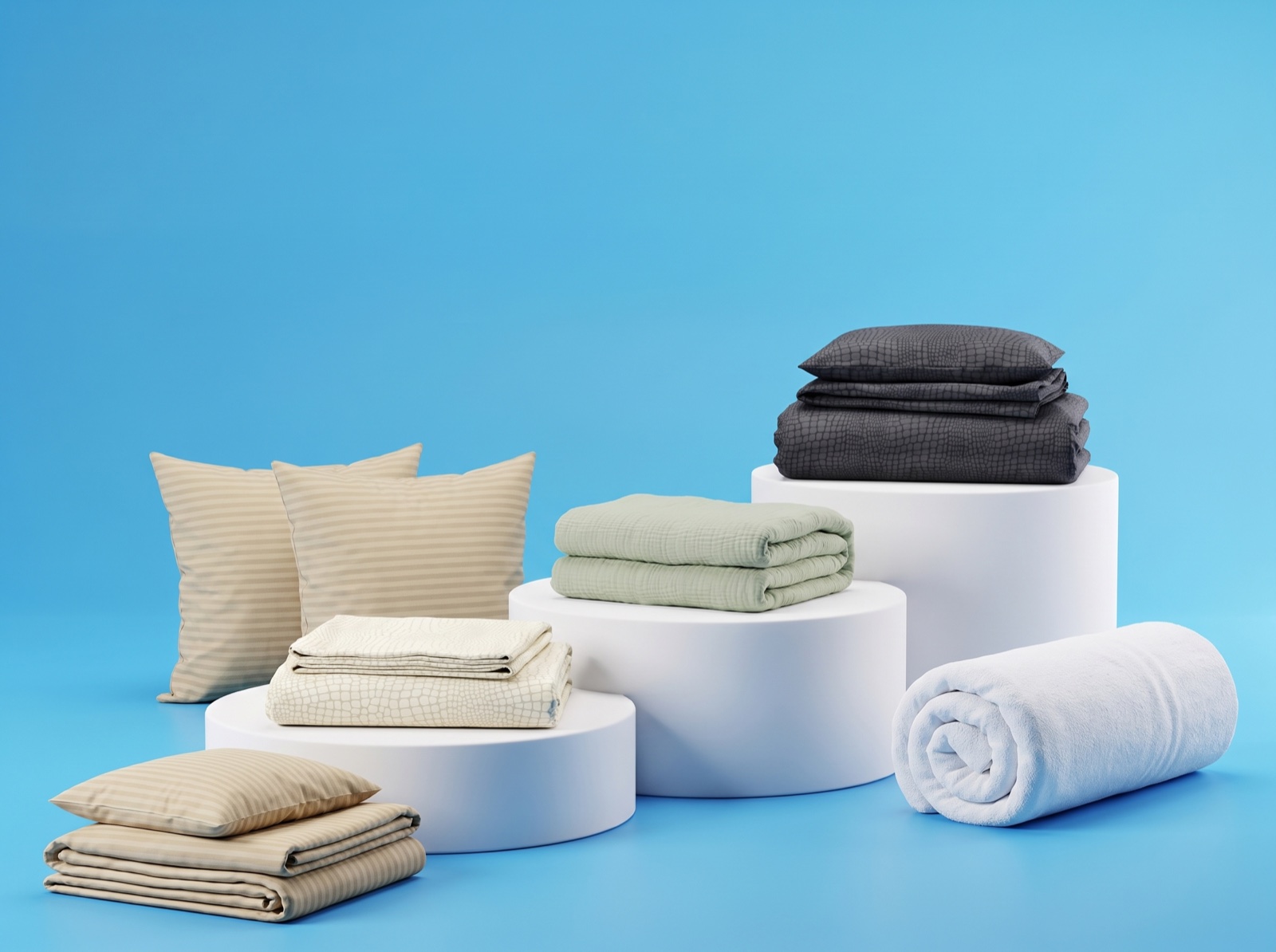
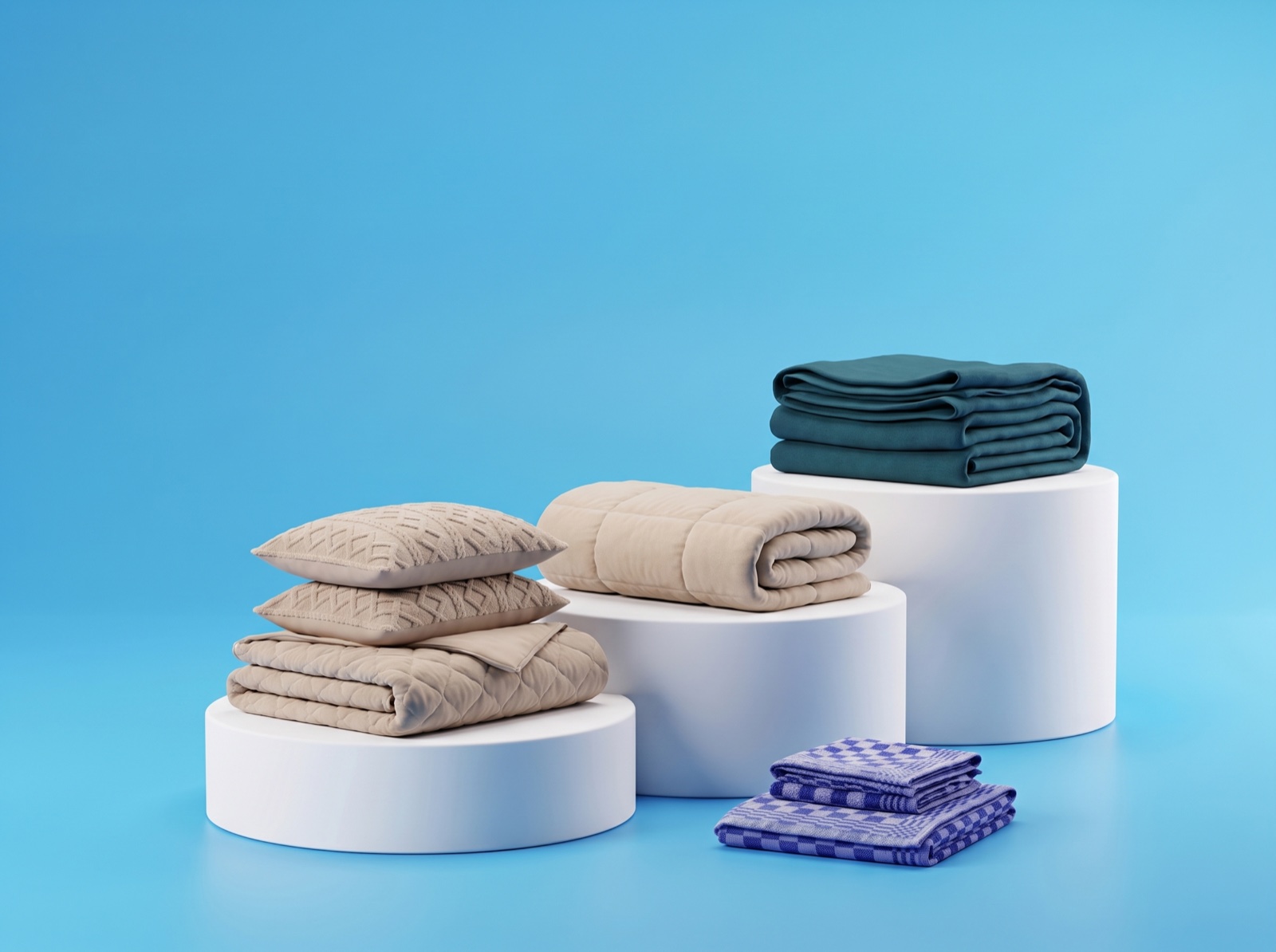
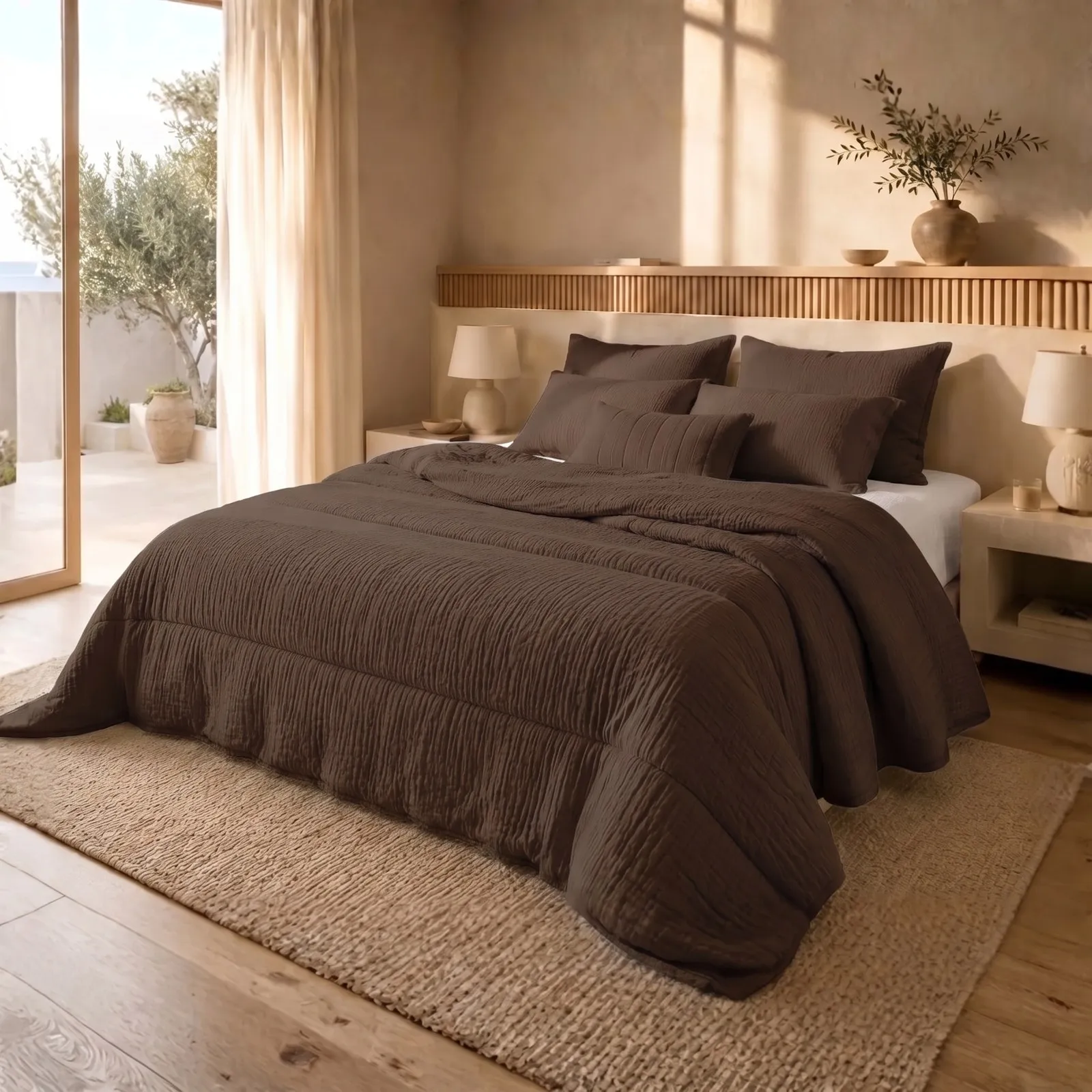
- Sets and coordination: plan duvet covers, fitted sheets and pillowcases together, so colour families stay complete.
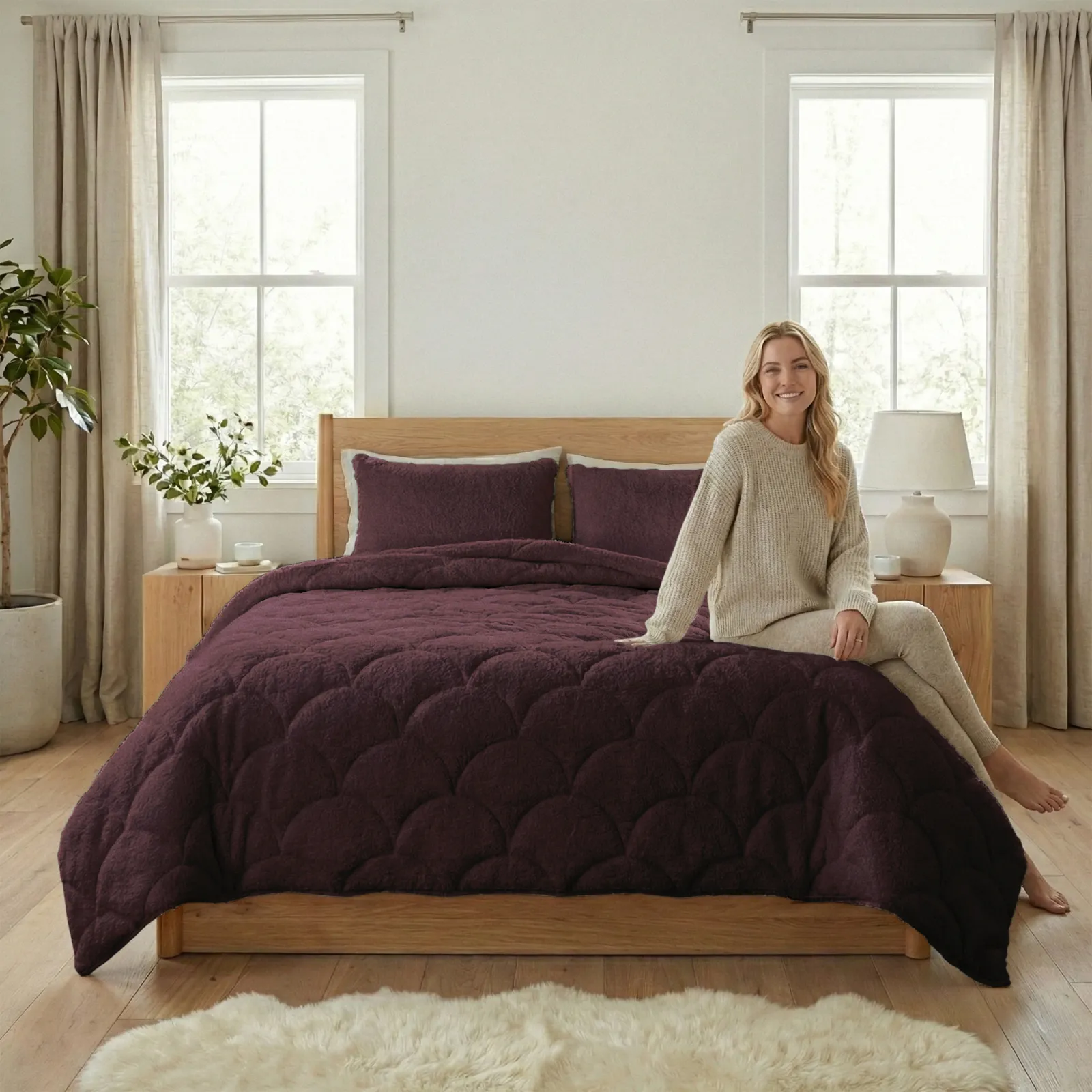
- Seasonal lines separately: plan winter fabrics such as teddy and flannel, and summer fabrics such as percale or cooling, as separate buying moments.
- Hotel items in fixed sizes: secure washable, consistent qualities for repeat orders, so you can top up with the same item later.
- A buffer for adjustments: keep part of your budget free for colours and sizes that turn out to sell well during the season.
- Certificates and specifications: check the quality marks for each item, with certificate, and record specifications such as size and composition in writing.
Container pre-orders: how to handle them in practice
A pre-order calls for clear agreements upfront. Know what you are ordering (item, colour, size and quantities), how it will be delivered and the latest date by which you can amend the order. Have the expected delivery date confirmed for each order, and only plan your campaigns once it is fixed.
For webshops, it is useful to present pre-order items differently from items that are available immediately. State clearly that it is a pre-order, so your customer's expectations are accurate. Shops can use forward buying to schedule the new collection early for shelf layout and staffing.
View the current range under pre-order items for retailers and compare it with your own seasonal calendar. That way you can quickly see which parts of your planning it covers.
Limiting risk without waiting too long
The biggest risk of forward buying is buying too much in too many variants. Keep the number of colours and sizes manageable and build your range in layers: a permanent core, a supplementary layer and a small layer of new items.
Also agree internally who decides on reordering and when. A short mid-season review, based on your own sales figures, stops you from ordering the same as last year out of habit.
Frequently asked questions
Is forward buying only of interest to large customers?
No. Smaller shops and webshops can also use forward buying for their core range. It is about planning ahead, not about the size of the order.
What is the difference between a pre-order and ordering directly?
When you order directly, you choose from what is available. With a pre-order, you reserve items from a shipment that is still to come. You confirm the delivery date and terms for each order.
Which items are better not committed for the whole season?
Trend-sensitive colours and new fabrics. Start smaller with these and reorder if sales justify it.
Would you like to go through your 2027 collection with us? Apply for a retailer account at mpstextiles.com. You can then view the business range and the pre-order options, and plan your buying at your own pace.