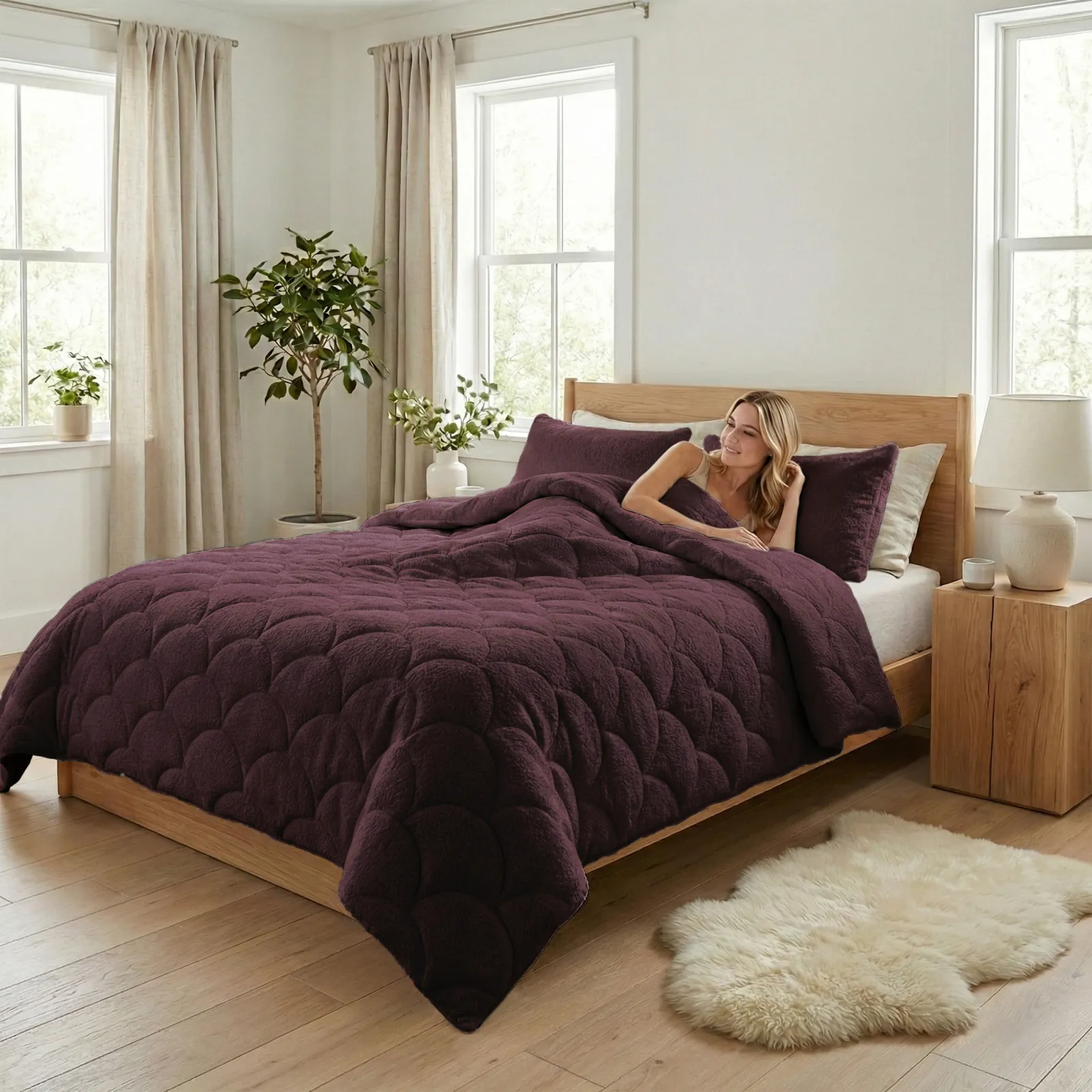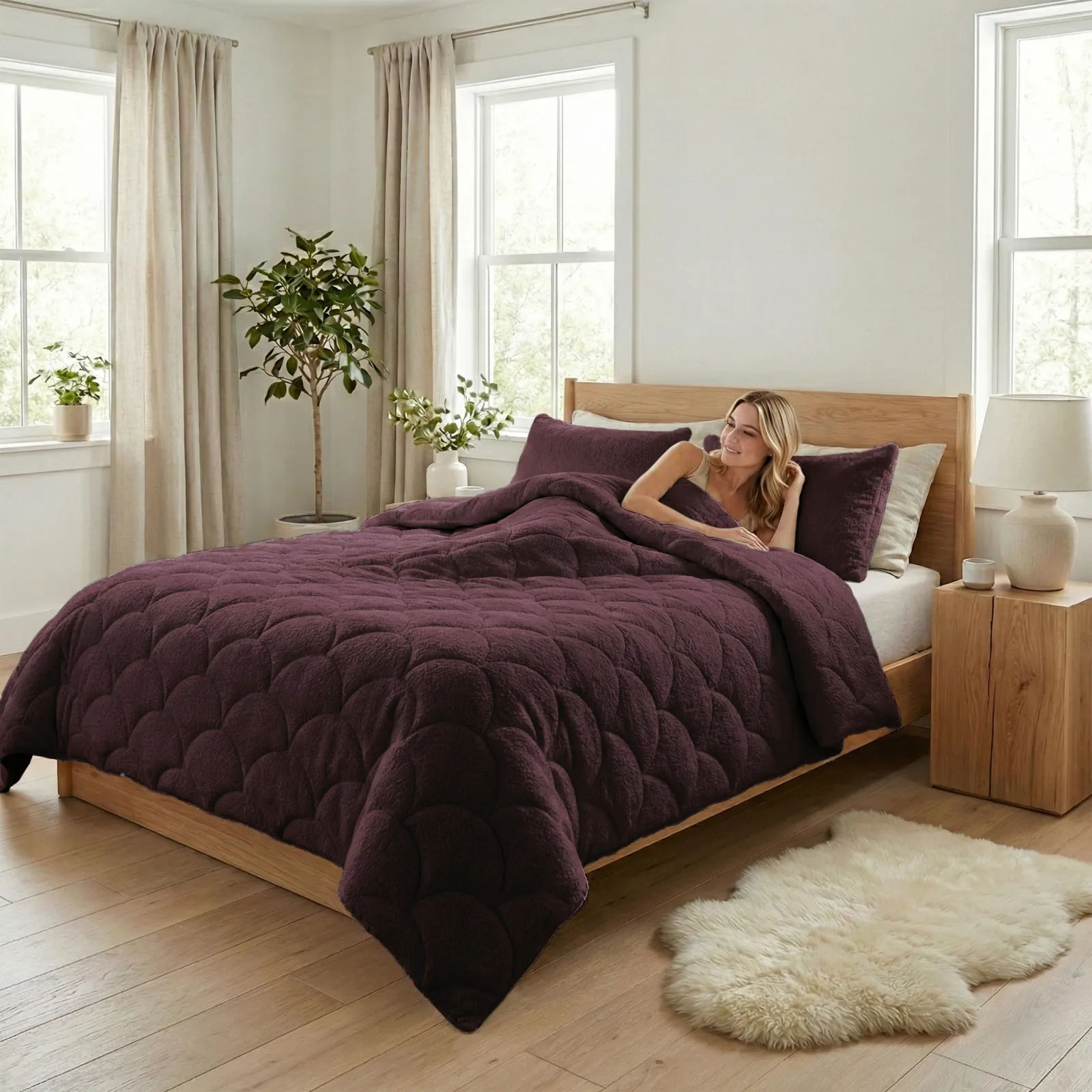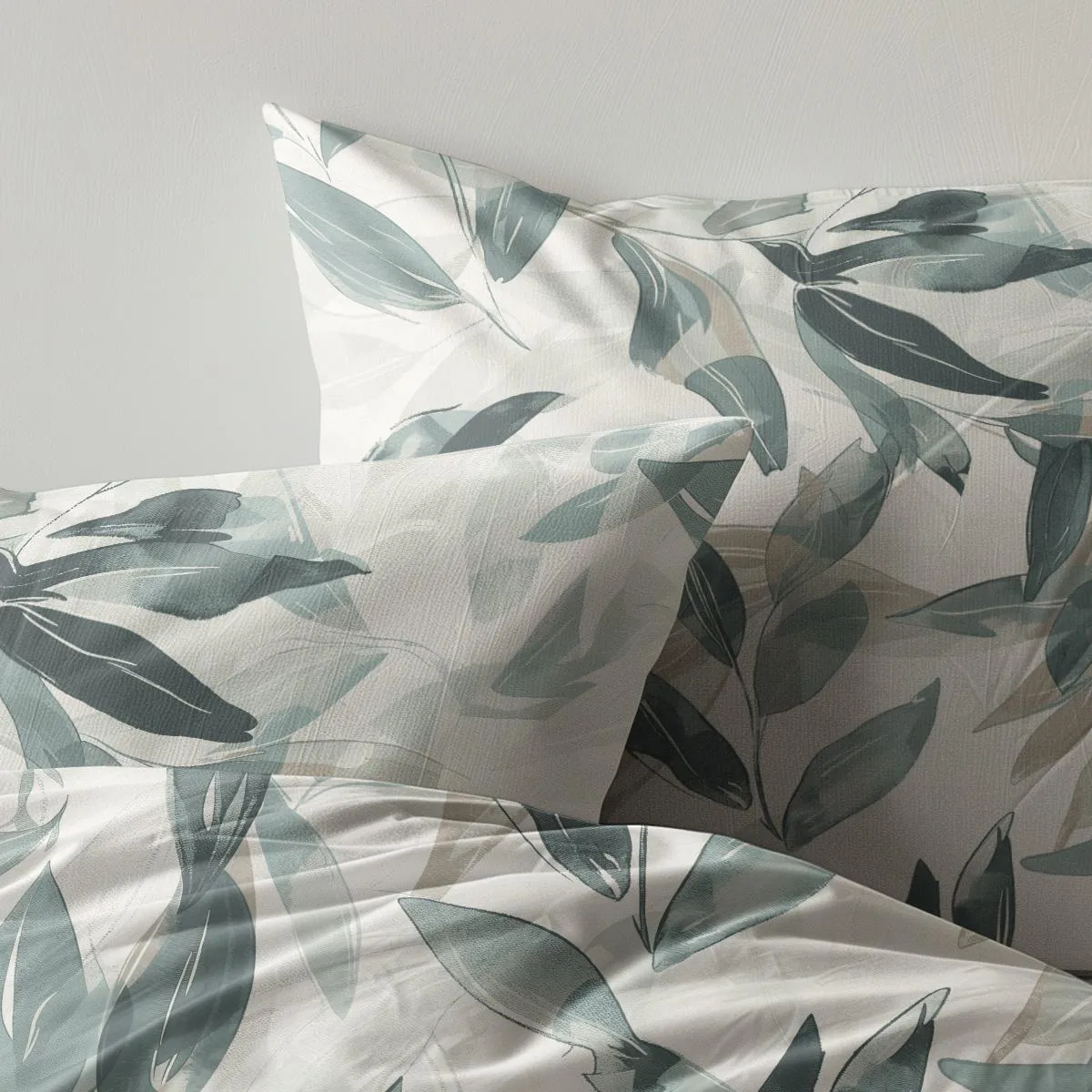
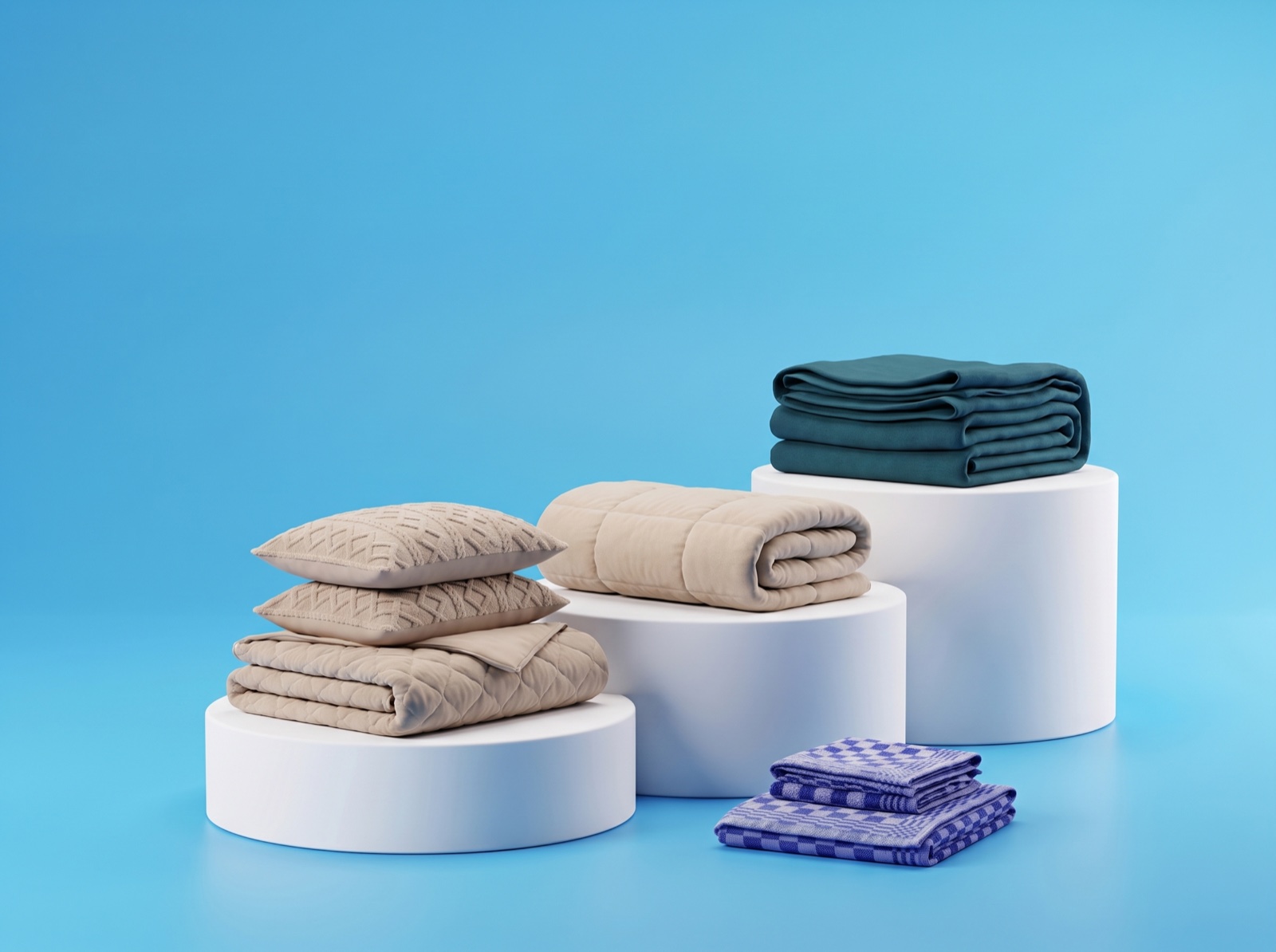












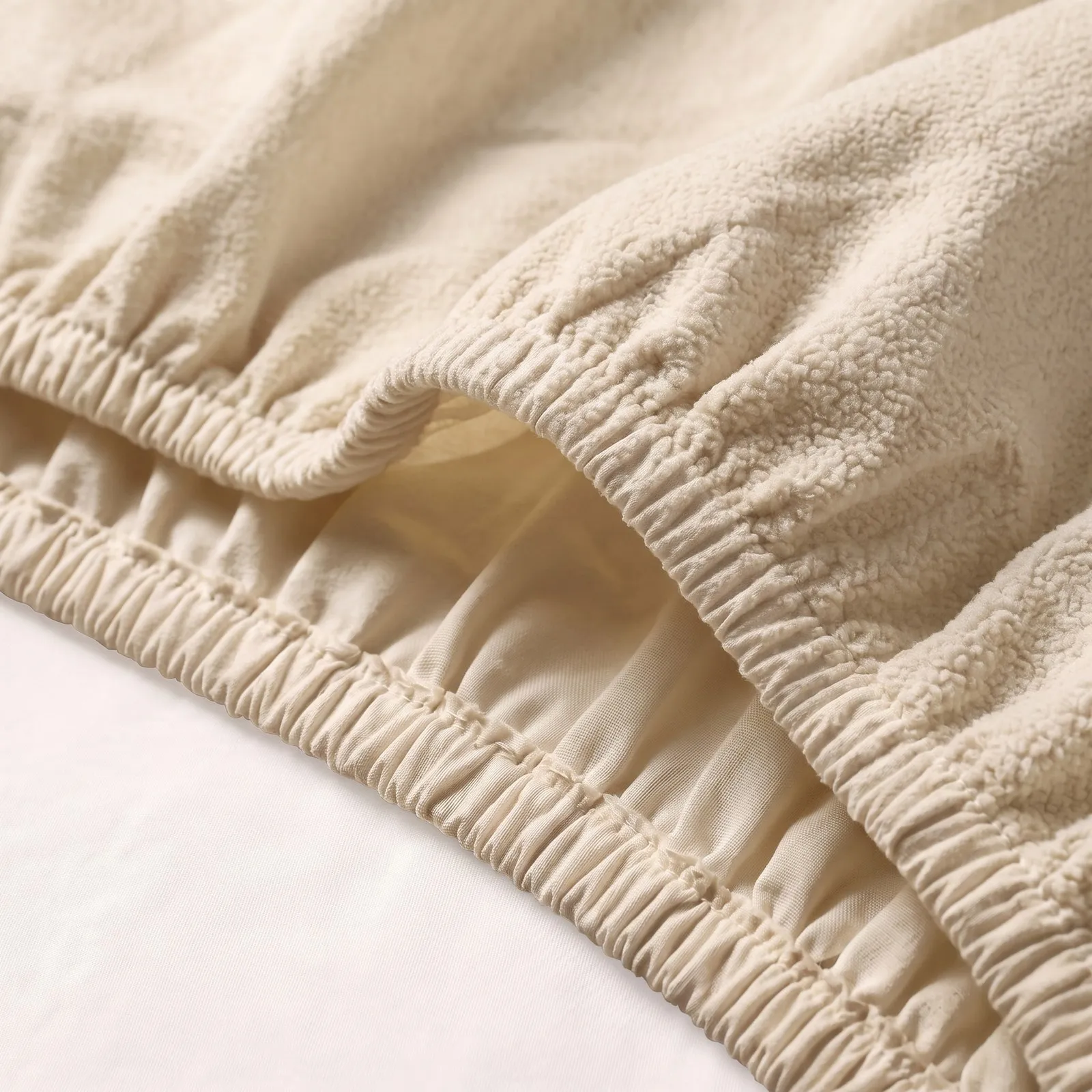
The difference between teddy, fleece and flannel lies in the raw material, the pile and the feel. Teddy is a high-pile, very soft polyester fabric. Fleece is brushed polyester with a shorter pile, and flannel is brushed cotton or brushed microfibre. Teddy sells on softness and warmth, fleece on ease of use and flannel on a classic, flatter look.
What is the difference between teddy, fleece and flannel?
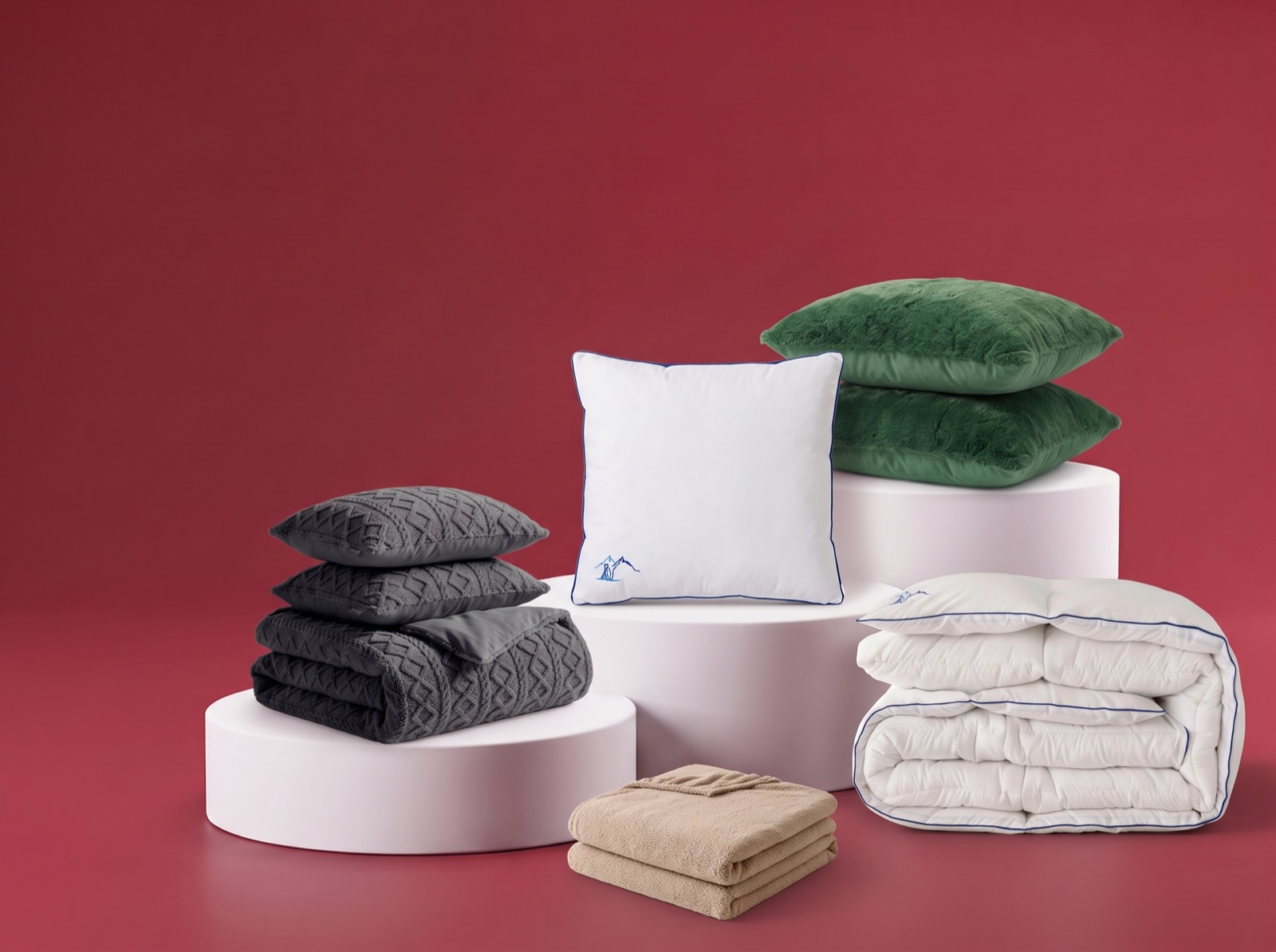
Teddy has a long, dense pile that looks plump and fluffy. This makes the fabric feel soft and full, and it traps a lot of air. It is the fabric that customers instinctively stroke with their hand in store. Both teddy duvet covers and teddy fitted sheets fall into this group.
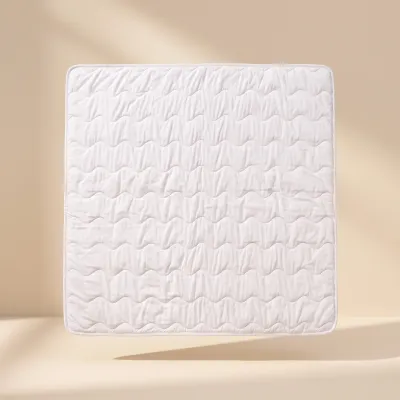
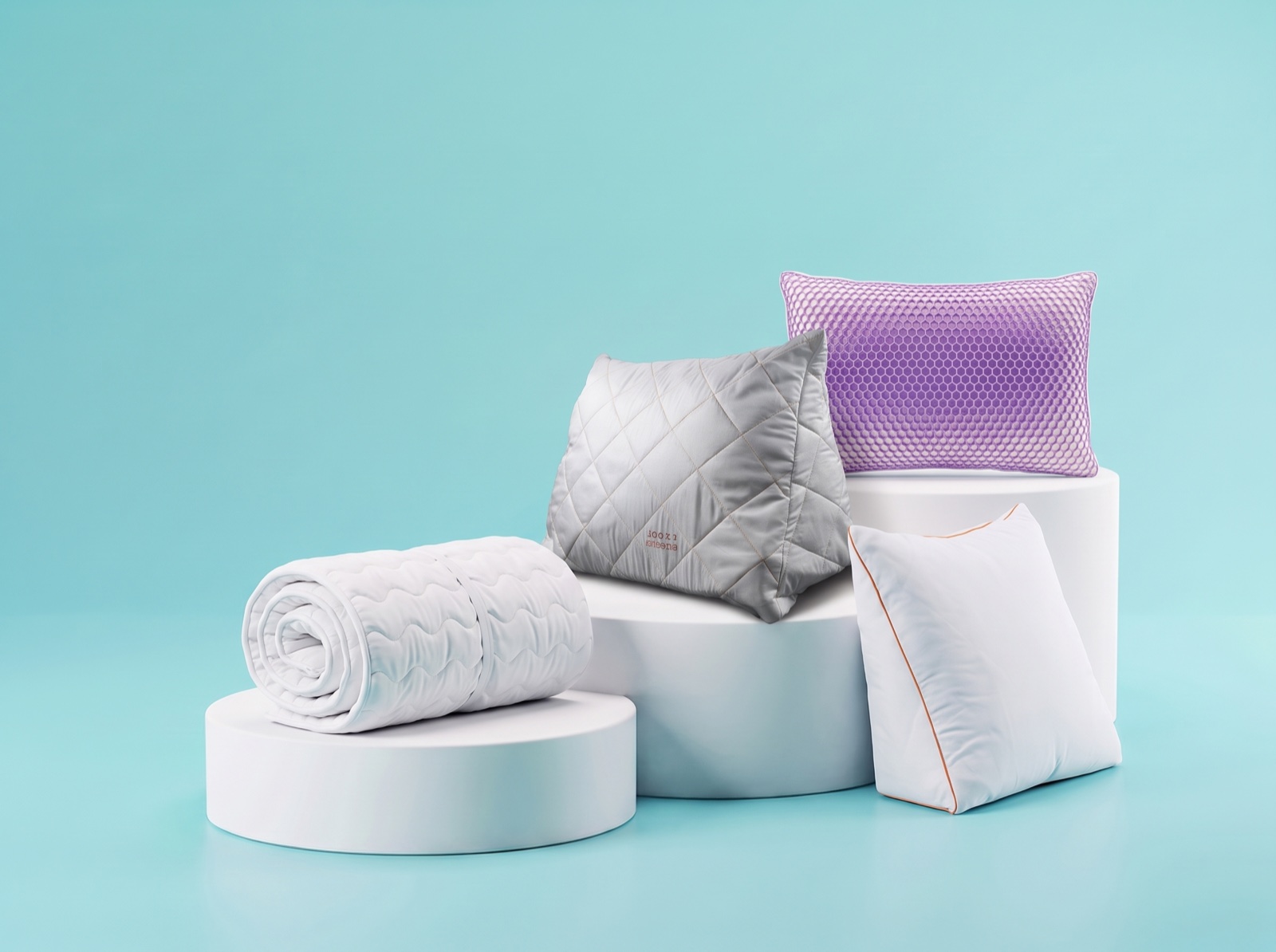
Fleece is also polyester, but the surface is brushed to a shorter, smoother pile. It feels soft, is less plump than teddy and looks calmer. Fleece mattress toppers and topper fitted sheets also belong to this segment.
Flannel is a brushed fabric made from cotton or microfibre. With cotton, the raw material is natural; with microfibre, it is polyester. The brushing makes the surface soft and warm, but it remains flatter than teddy and fleece. Always check the composition on the label for flannel, as cotton and microfibre behave differently in the wash.
Velvet is a different fabric with its own look and falls outside this comparison.
How do warmth, feel, care and target group compare?
The table sets the three fabrics side by side. These are guidelines per fabric type. The exact properties depend on the quality and weight of the item, so always read the label and the product information.
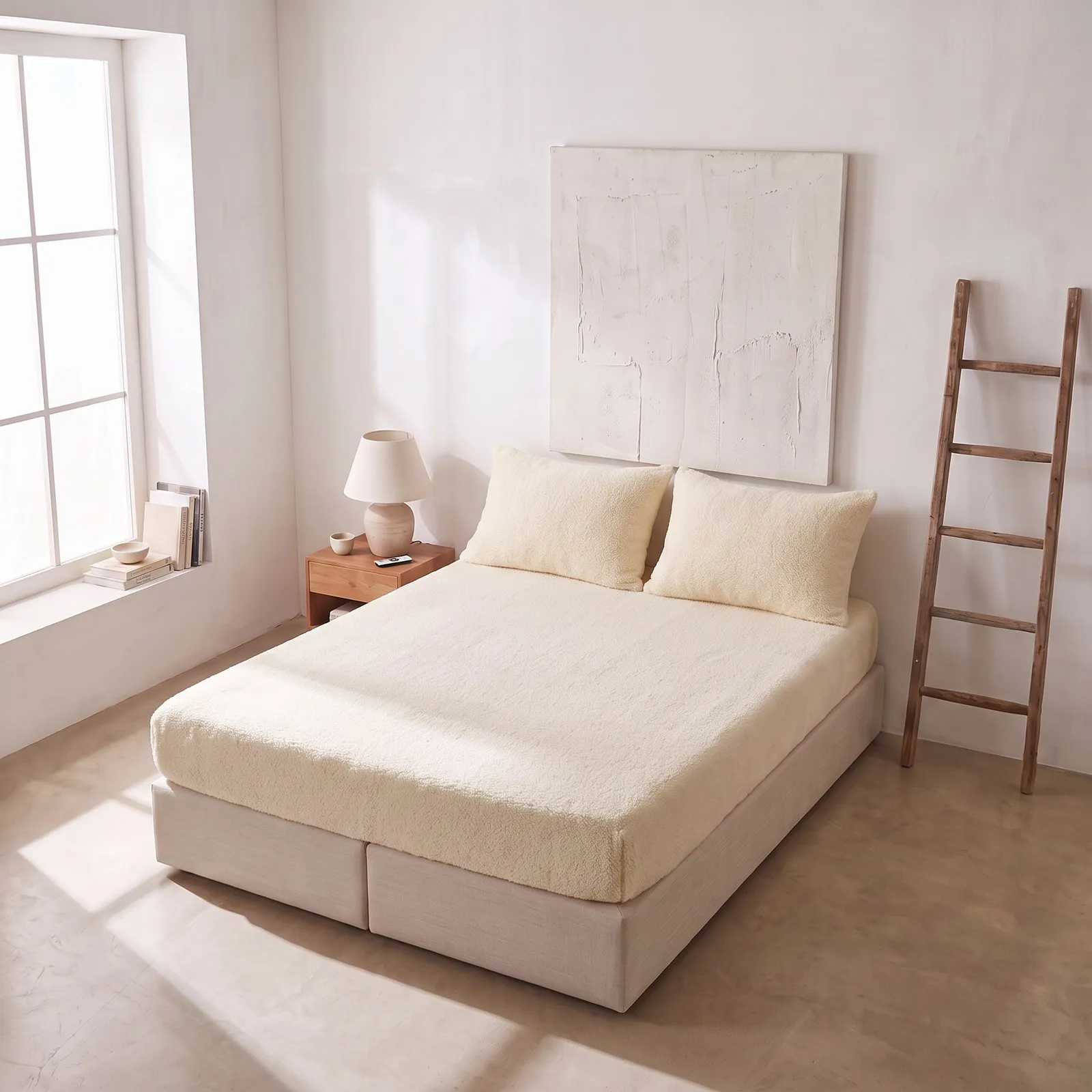
| Feature | Teddy | Fleece | Flannel |
|---|---|---|---|
| Warmth | Very warm thanks to the high, plump pile | Warm, lighter than teddy | Warm, with a natural character in the case of cotton |
| Feel | Very soft, fluffy and full | Soft and smooth, short pile | Soft and flat, brushed surface |
| Care | Wash and dry with care; the pile can flatten if treated at too high a temperature | Usually straightforward, follow the care instructions | Cotton can shrink; microfibre is generally less prone to shrinking |
| Target group | Customers looking for maximum softness and a cosy look | Customers who want something practical and soft, including for children's bedrooms and holiday parks | Customers who prefer a classic look or a natural material |
How do you display teddy, fleece and flannel side by side on the winter shelf?
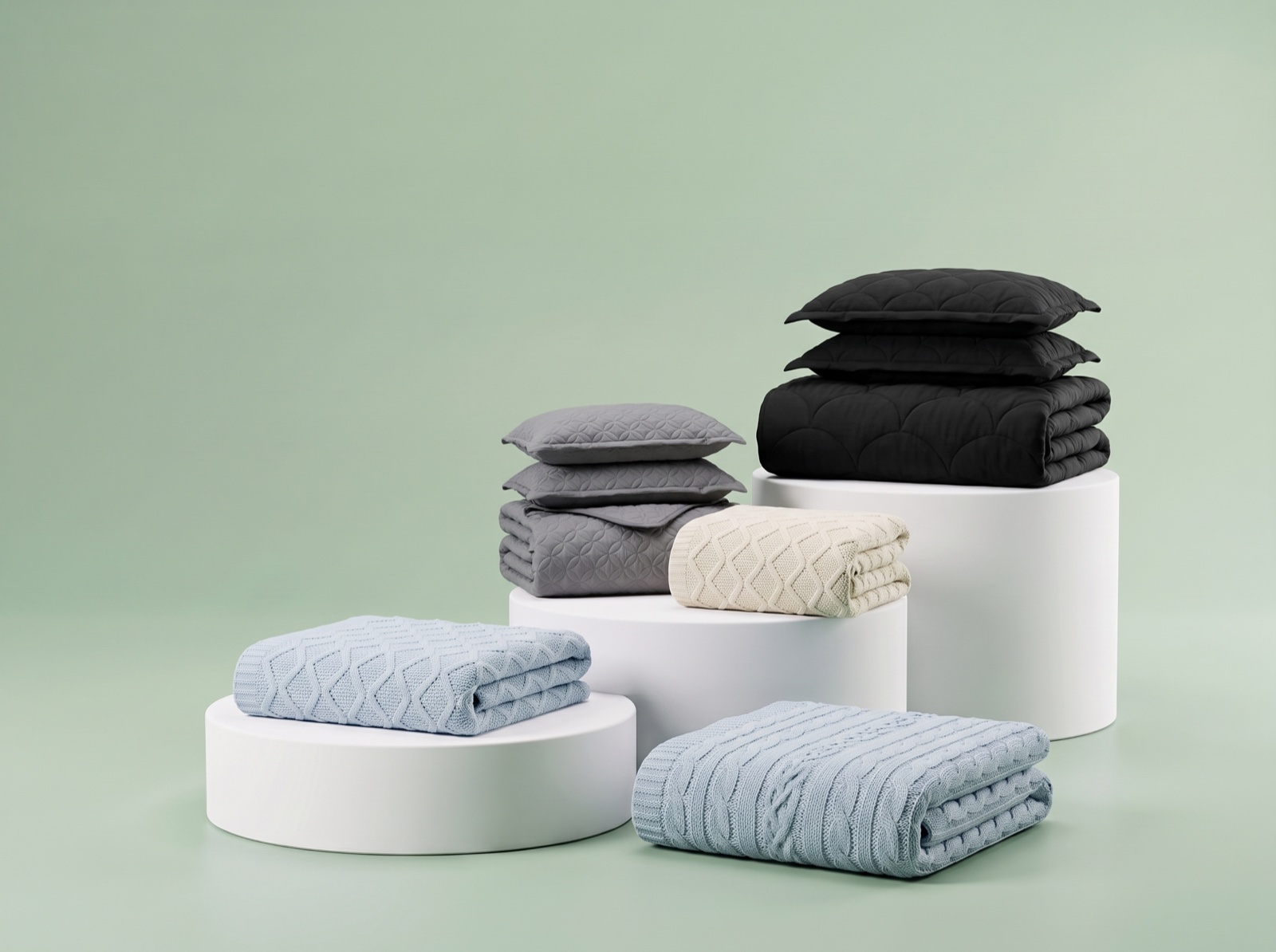
Give each fabric its own role, so customers don't see the same thing three times. Teddy is the eye-catcher and gets the best spot. Fleece is the practical choice and flannel the classic alternative. This way, a customer can choose by feel within a minute, rather than working through a long list of properties.
- Place teddy at eye level and let customers feel a cover or pillowcase out of its packaging, because touch sells this fabric.
- Group by fabric rather than by colour, so the difference in pile is immediately visible.
- Give fleece its own block with a short, clear explanation on the shelf card.
- Place flannel with the classic patterns and in colours customers already know from cotton.
- Combine duvet cover and fitted sheet for each fabric, so the customer can choose the whole bed in one go.
- State the composition and care instructions for every item, especially for flannel, where cotton and microfibre exist side by side.
- Keep colours such as anthracite in teddy to a fixed basic range and complement them with lighter shades.
For how to build up your own teddy range, from fitted sheet to duvet cover, read our article on buying teddy bedding for the winter season. You can find more on flannel alongside satin and percale in buying duvet covers: satin, percale, flannel and colour. The complete range for the colder months is in the winter collection.
Which fabric suits which customer?
A shop with a strong gift and home-comfort focus gets the most out of teddy. The fabric stands out in the shop window and lends itself well to a seasonal display. A webshop benefits from clear product photos and a precise description of the pile, because customers cannot touch the fabric.
For holiday parks and rentals, care plays a bigger role. Look for fabrics that can withstand regular washing and read the care instructions for each item. Fleece and microfibre flannel are often practical candidates there, but it still depends on the quality.
Hotels more often opt for a calm look and a consistent finish. For them, flannel or fleece in a neutral colour is easier to fit in than a very fluffy teddy. Teddy can work as an accent, for example in a suite or as an extra layer for the colder months.
If you want to expand your range of teddy fitted sheets and duvet covers, the article on buying teddy fitted sheets and duvet covers will help you plan your shelf layout.
Frequently asked questions
Is teddy warmer than fleece?
Generally, yes. Teddy has a higher, plumper pile that traps more air, which makes the fabric feel warm and full. Fleece has a shorter pile and feels lighter. The actual difference depends on the quality and weight of the item.
Is flannel always made of cotton?
No. Flannel is a brushed fabric that can be made of cotton or microfibre. Cotton flannel is a natural material, while microfibre flannel is polyester. Always check the composition on the label and state it in your product description, so customers know what they are buying.
Can I present teddy and velvet as the same fabric?
No. Teddy is a high-pile polyester fabric with a fluffy surface. Velvet is a different fabric with its own structure and look. If you mix them up, you will end up with disappointed customers and more returns. Keep them separate in your descriptions and on the shelf.
What is the best way to care for teddy, fleece and flannel?
Always follow the care instructions on the label. Teddy requires the most care, because the pile can flatten if washed or tumble-dried at too high a temperature. Fleece is usually easy to care for. With cotton flannel, you need to allow for shrinkage.
Are you a buyer or business owner and would you like to view teddy, fleece and flannel for your shop, webshop, hotel or holiday park? Then apply for a trade account with MPS Textiles.