















A teddy duvet cover should be washed according to the care label of the item itself: inside out, at a low temperature, without fabric softener and never tumble dried on a high heat. If you pass this advice on at the point of sale, you prevent most complaints about flattened, matted or stiff fabric. Some fluff during the first few washes is normal and belongs in your explanation.
What washing advice should you give with a teddy duvet cover?
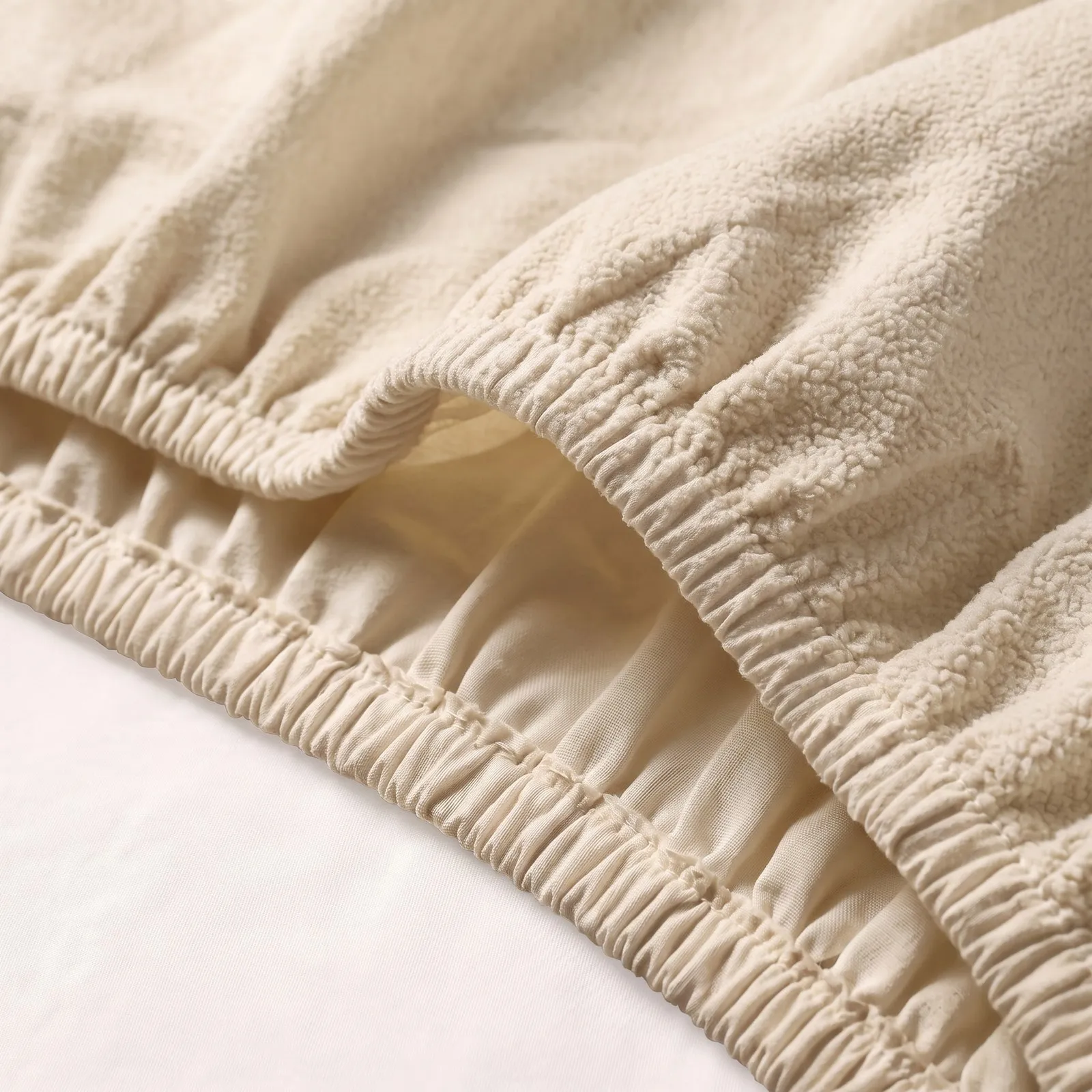
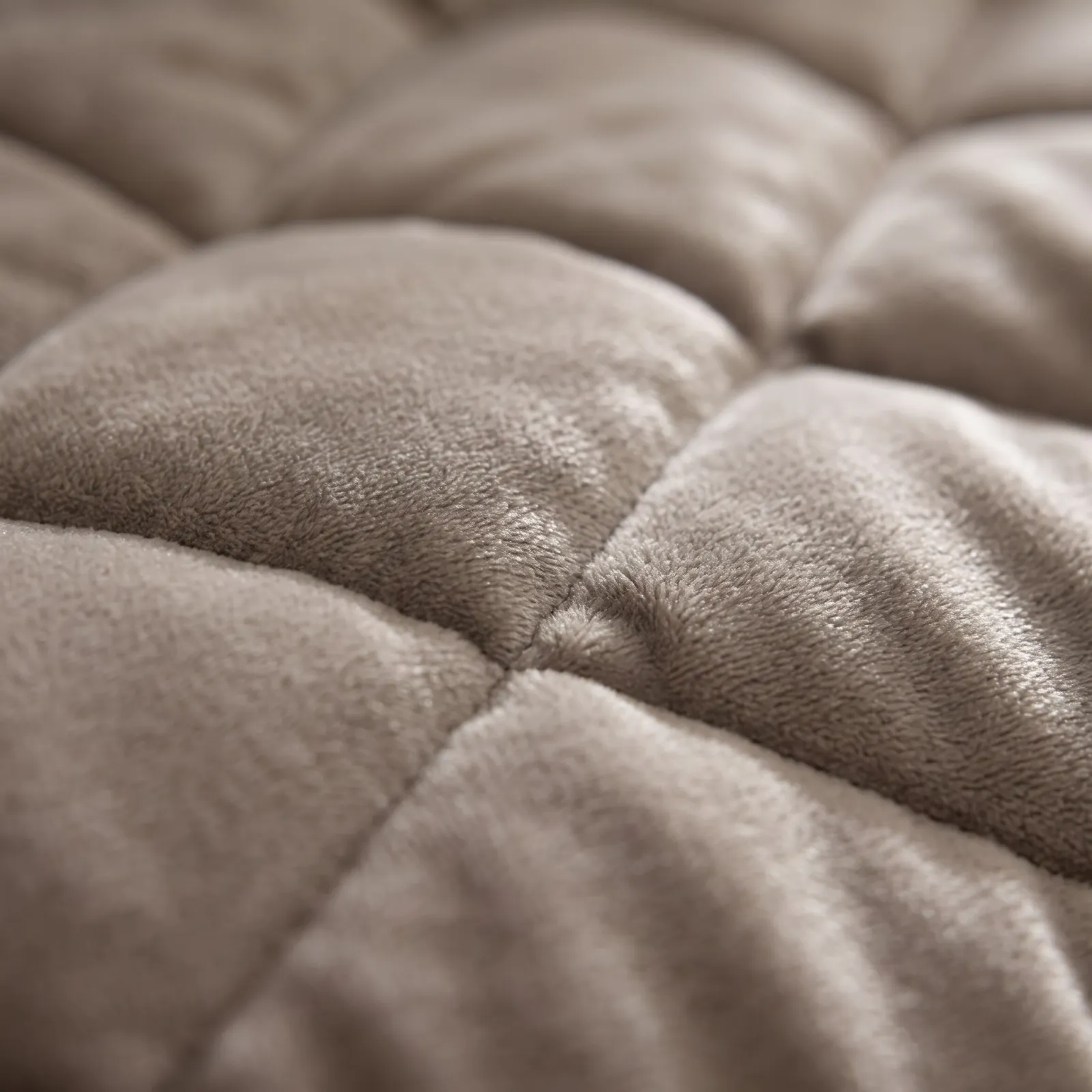
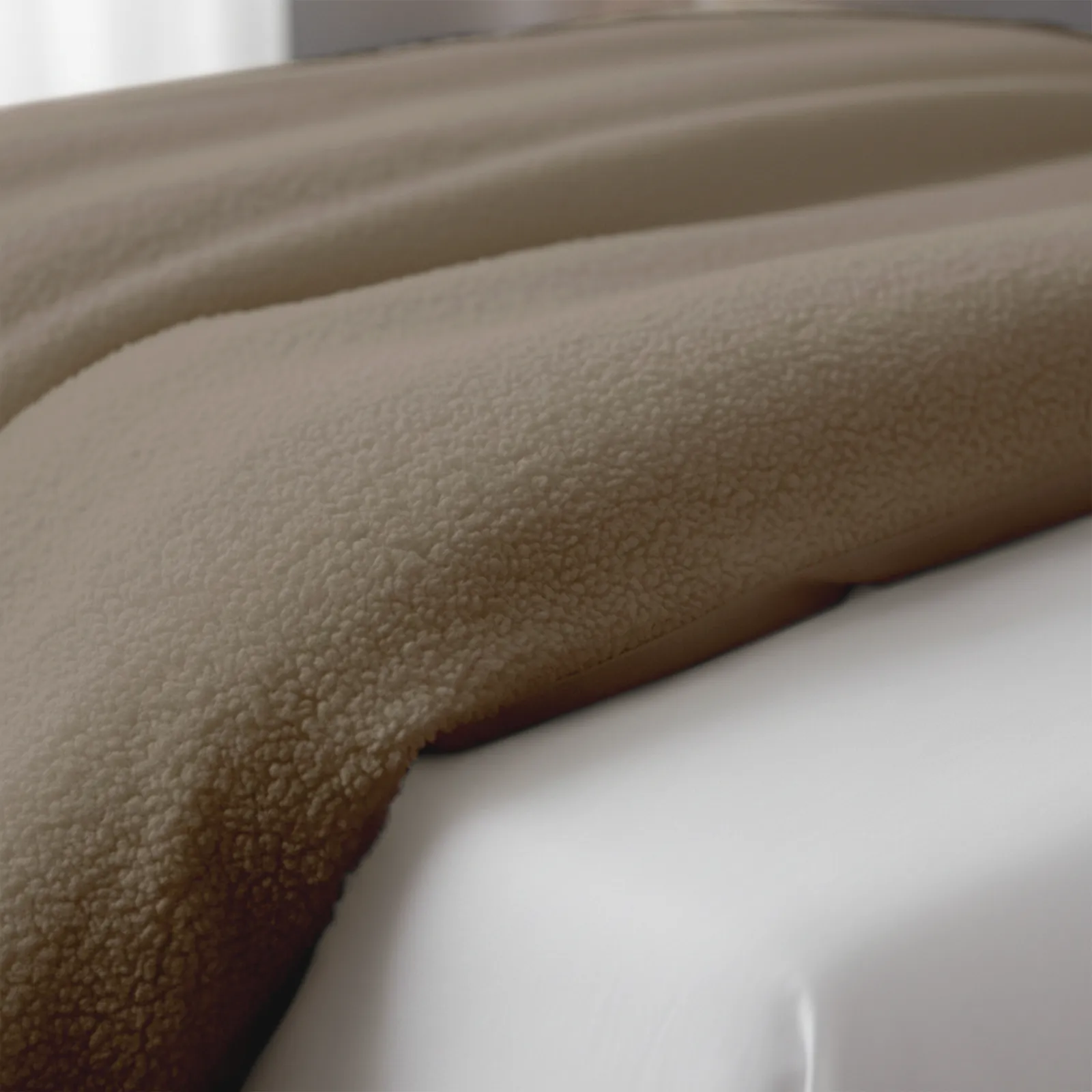
Teddy has a soft, dense pile on the outside. That pile is sensitive to friction, heat and detergent residue. A customer who washes the cover like ordinary cotton will often notice the difference in the feel of the fabric after just a few washes.
These are the points to pass on to your customer:
- The care label comes first. The label in the item always takes precedence over general advice, including this article.
- Turn the cover inside out before washing and fasten the closure, so the pile suffers less friction.
- Choose a low temperature and a gentle programme. Many labels state 30 degrees, but always check the label for each item.
- Do not use fabric softener. It leaves a coating on the fibre, which can make teddy matted and less soft to the touch.
- Do not overfill the drum. The cover needs room to rinse properly.
- Do not tumble dry on a high heat. Use the lowest setting on the dryer if the label permits tumble drying, or let the cover dry on the line.
- Give the cover a good shake after drying, so the pile stands up again.
Is fluff during the first few washes normal?
Yes. With new teddy, loose fibres come away during the first few washes. This is not a defect, but it does generate the most questions. A customer who finds fluff in the drum will quickly assume the item is falling apart.
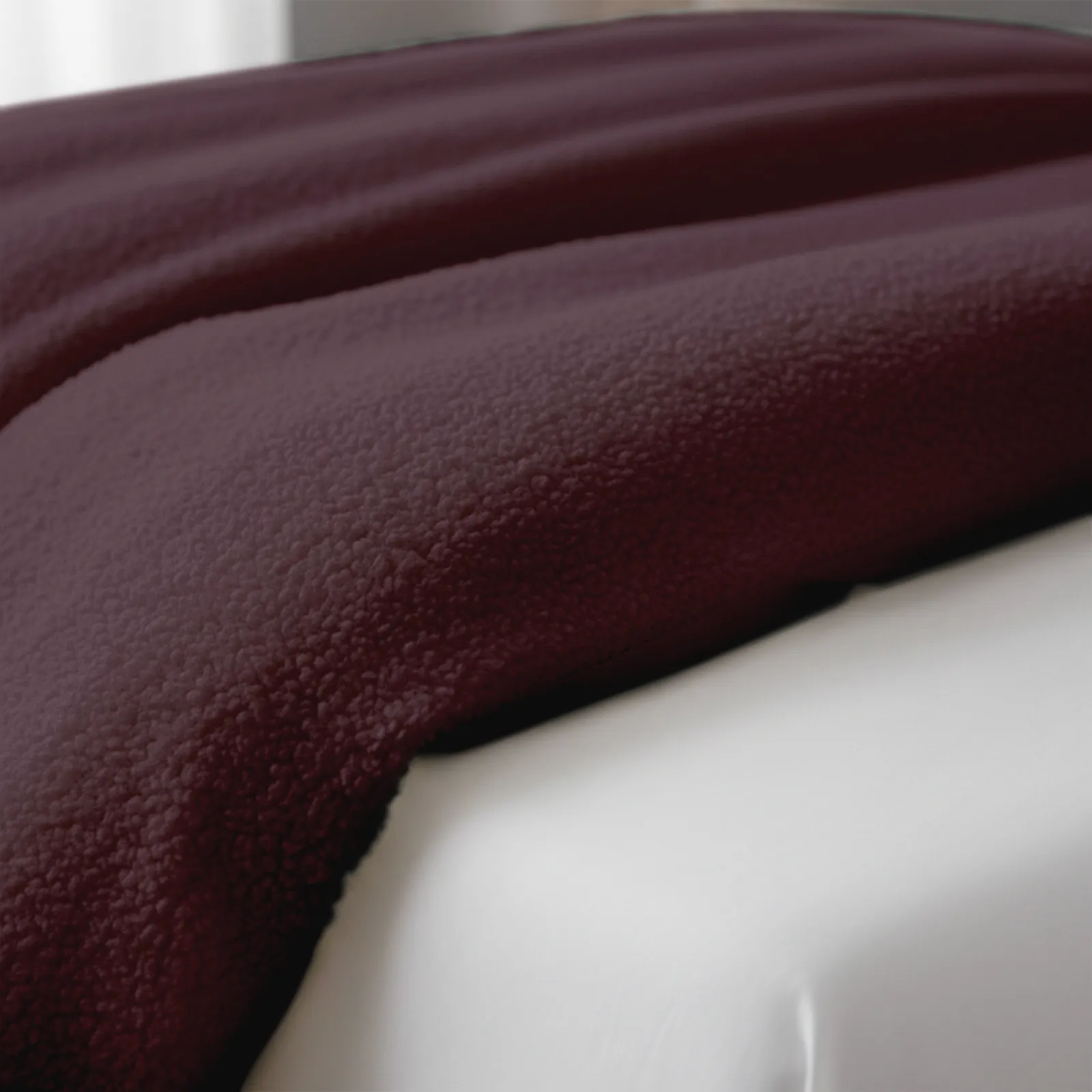
We therefore recommend washing the cover separately the first time and emptying the lint filter of the washing machine or dryer afterwards. Loose fibres show up more quickly on dark colours such as burgundy, and they stay visible on light laundry. The same applies to a coral fleece duvet set with pillowcase, where the care label for that item remains decisive.
How much explanation an item needs depends partly on the fabric. In Teddy, fleece or flannel: the difference for your shelf you can read how these fabrics compare. That helps you decide which care text to place with which item.
What should you put on the product page for a teddy duvet cover?
Put the washing advice on the product page itself, not just in the terms and conditions or a long FAQ. A separate block headed Care is enough. Copy the text from the care label and add two sentences about fluff and fabric softener.
Keep your naming consistent. Customers search for teddy duvet cover, duvet cover teddy, teddy fitted sheet and fitted sheet teddy. Use one fixed term in your product titles, so that the washing advice can be found for every part of the set.
Also pay attention to differences between the individual items. The washing advice for the cover may differ from that for the fitted sheet or the pillowcase. In Buying teddy fitted sheets and duvet covers: how to build your shelf you can read how to present the items as one shelf. Check the label of each item separately.
Also state on the page:
The composition, the washing advice and a line saying that slight fluffing during the first few washes is part and parcel of this fabric. Do not promise anything about how long the cover will stay soft, as that depends on how the customer washes it.
What should you say at the till and in the packaging?
Returns often arise at the moment the customer washes the item at home for the first time. The advice must therefore reach the customer before that moment. In a shop, a brief word at the till is enough: inside out, low temperature, no fabric softener, no hot tumble drying.
For a webshop, the following works well:
A short care card in the parcel, a line in the order confirmation and a link to the care text on the product page. Keep the text short. A customer will read four lines, not half a page.
Brief your staff and customer service team too. If a customer calls about fluff or a stiff fabric, the first question is how the item was washed. A standard checklist saves time and prevents a washing problem from being treated as a product fault.
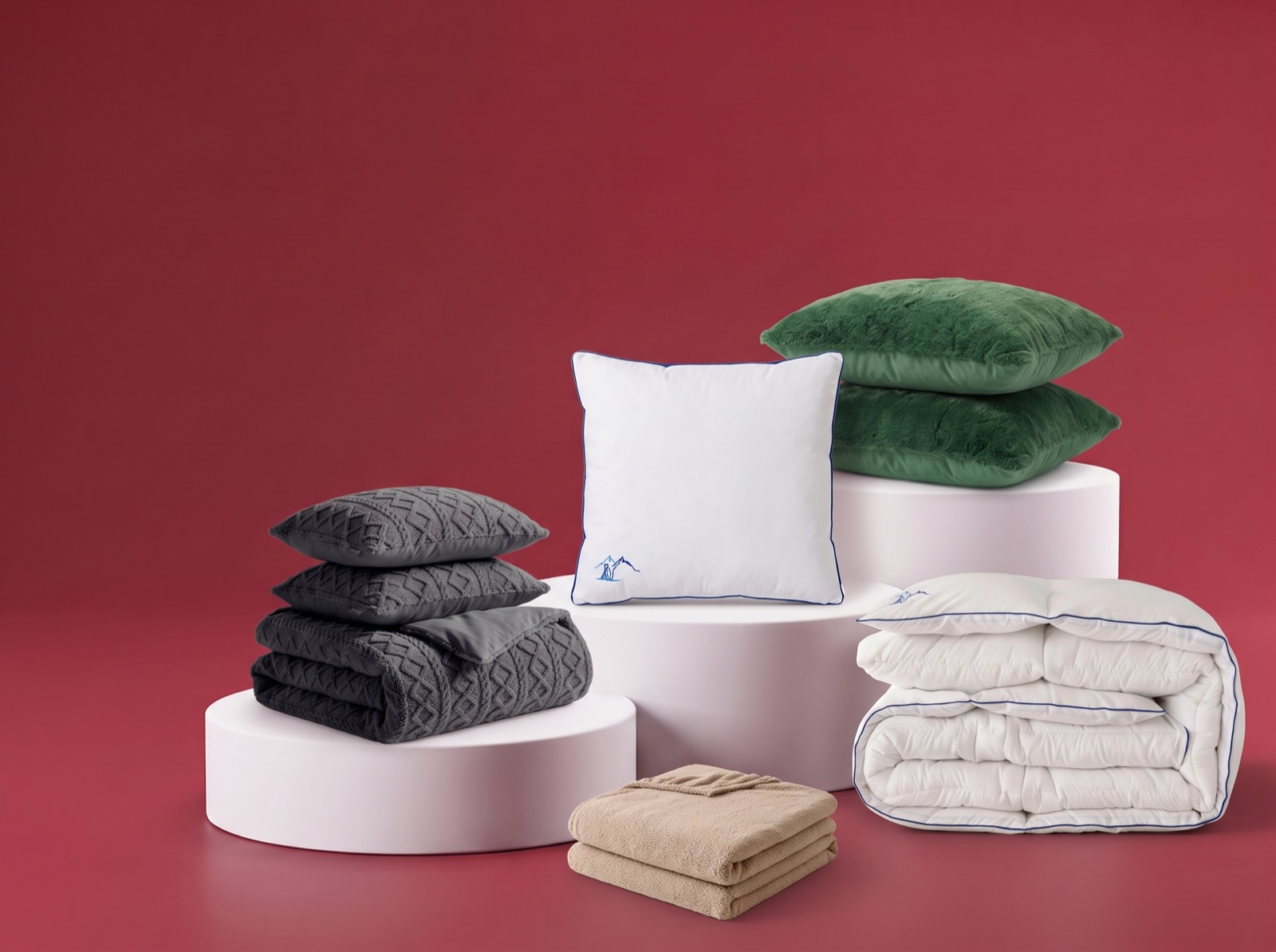
Hotels and holiday parks are a different matter. A professional laundry works with its own programmes, often at higher temperatures and with more intensive drying. Ask the laundry to check the label beforehand and see whether the wash programme is suitable. Teddy in a winter-season range requires more coordination than a standard cotton cover. You can see which items qualify in our winter range. If you are planning your teddy purchasing for the season, also read Buying teddy bedding for the winter season.
Frequently asked questions
Can a teddy duvet cover go in the tumble dryer?
Only if the care label of the item permits machine drying. Then choose the lowest setting, as heat damages the pile and makes the fabric stiff. If the label is unclear, advise line drying followed by a good shake.
Why does teddy feel stiff after washing?
This is usually down to too high a temperature, fabric softener, an overfilled drum or hot tumble drying. These factors flatten the pile or leave a coating on the fibre. Advise a low temperature, a gentle detergent without softener and enough room in the machine.
Is fluff on a teddy duvet cover a reason for return?
Slight fluffing during the first few washes is part of the fabric and is not in itself a defect. State this on the product page and with the dispatch. If the fluffing stays heavy or bald patches appear, treat the complaint as an ordinary product complaint.
Which detergent suits teddy?
A mild detergent in a normal dose is usually fine, unless the label says otherwise. Do not use fabric softener or bleach, unless the label expressly permits it. Too much detergent stays behind in the fabric and makes teddy go stiff more quickly.
Are you a shop, webshop, hotel or holiday park and would you like to buy teddy bedding with clear care information? Request a business account at mpstextiles.com and we will look together at what suits your shelf.