











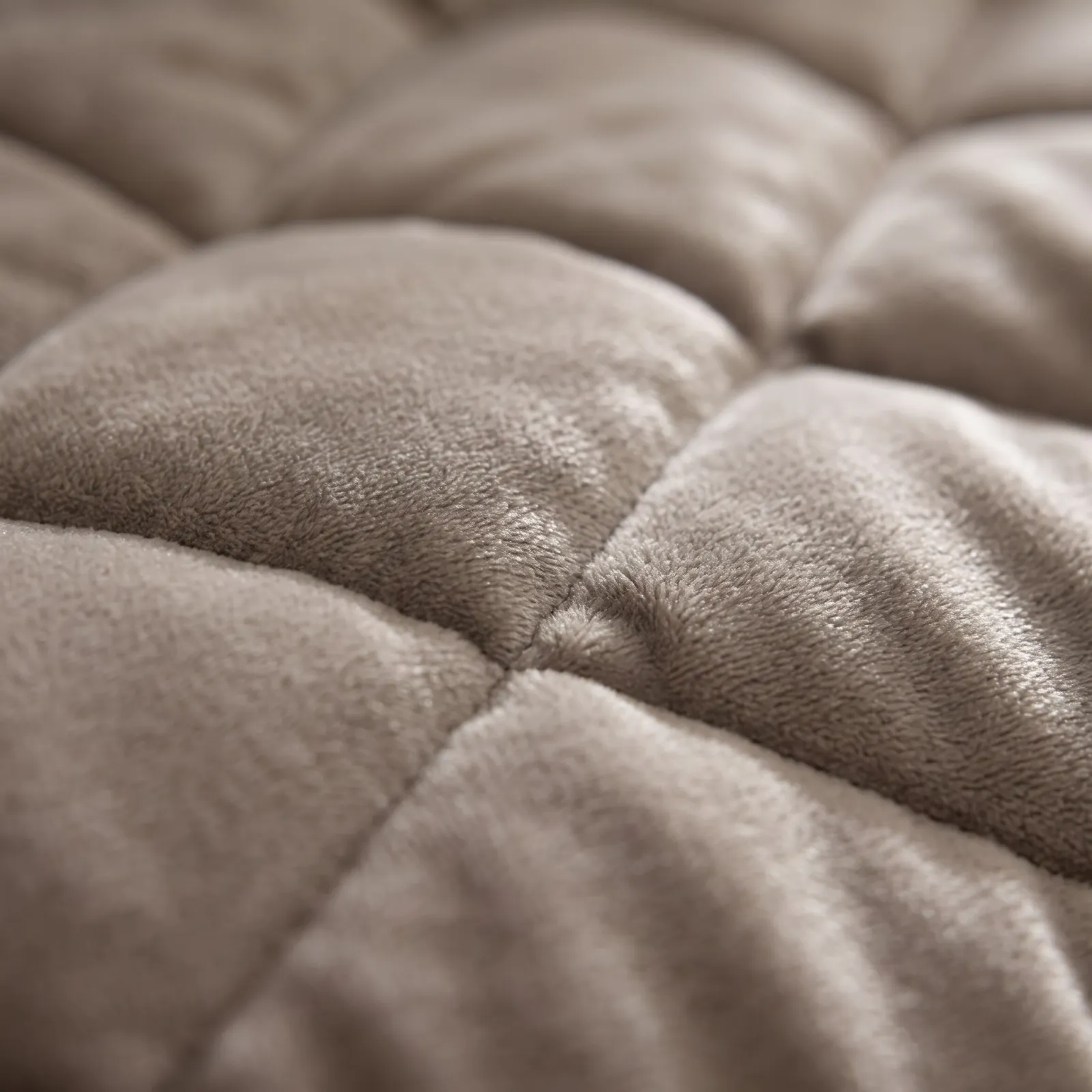
With a velvet duvet cover, quality comes down to five points you can check yourself: an even pile that lies in one direction, a fabric weight that suits your sales story, a neat closure and seams, a pleasant inner side, and colour that stays consistent between batches and after washing. Assess these points on a sample and on a washed piece before you commit to a collection.
This helps you limit returns and complaints later on. If you want to compare models side by side, take a look at the velvet collection and use the points below as a checklist.
What should you look for in the fabric: pile direction, evenness and weight?
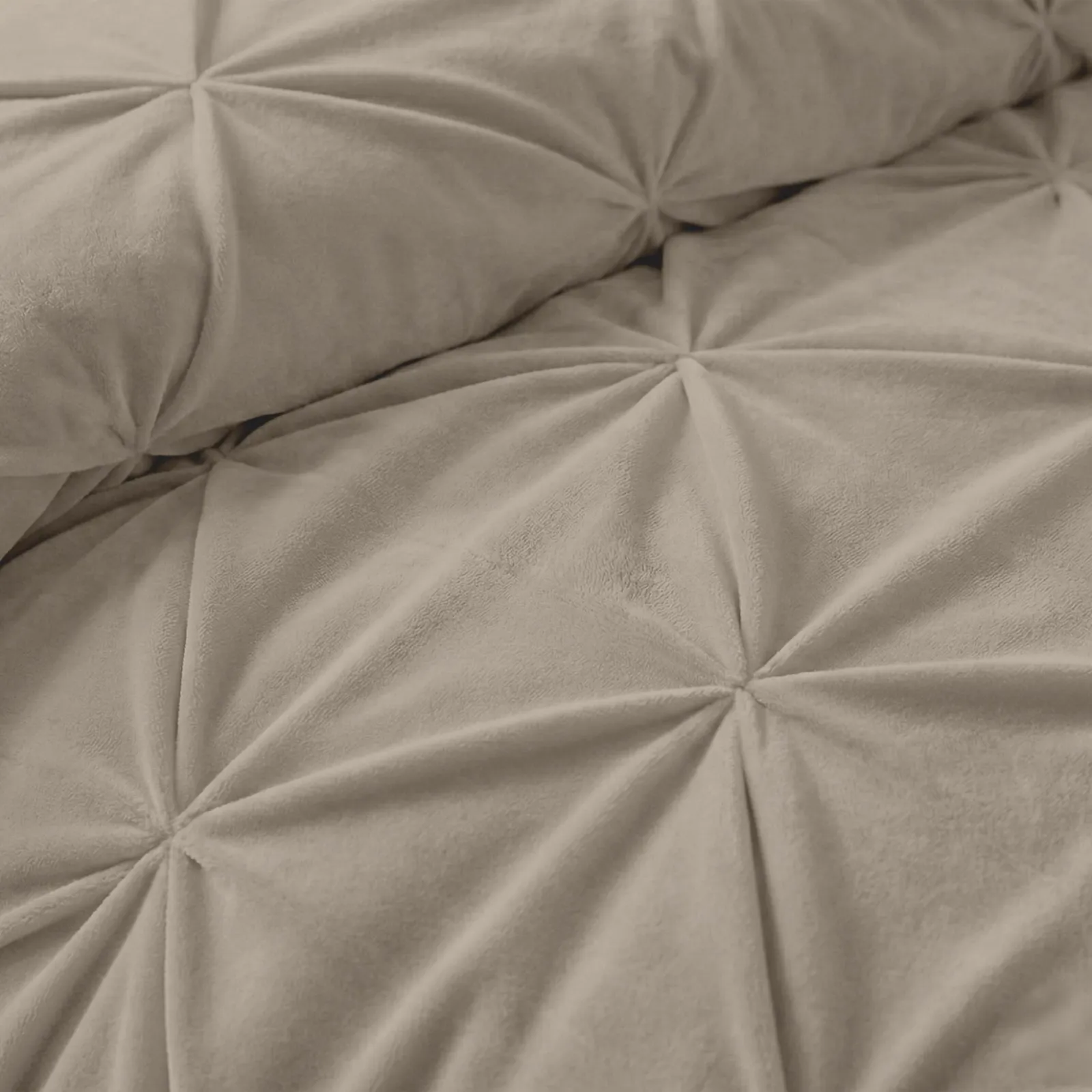
Velvet has a short, dense pile. Stroke it in one direction and the fabric feels smooth and the colour looks deeper. In the other direction it feels rougher and the colour looks lighter. That is inherent to the fabric, but the pile must lie the same way throughout the whole product.
So lay the cover flat on a table and view it under changing light. Look for bald patches, streaks, differences in sheen and panels that look different from the panel next to them. Also check that the front and back have been cut in the same direction and that a pillowcase in the same set matches the shade of the duvet cover.
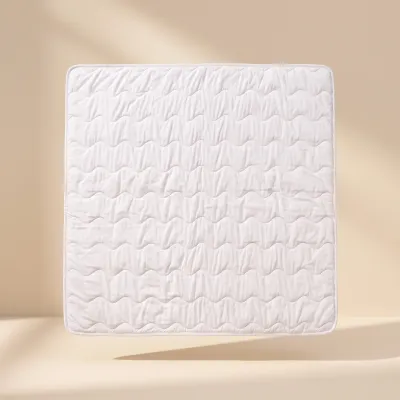
Quilted or pressed designs, such as velvet pintuck or a chenille velvet emboss, call for a second check. The lines must run straight and the pile must not be flattened or damaged in the relief.
The weight of the fabric determines how the cover drapes and feels. A heavier fabric feels more luxurious and hangs better over the duvet. A light fabric can look thin and, in dark colours, sometimes lets the filling or the duvet show through. Ask for the weight in grams per square metre and only compare within the same fabric type. Also bear in mind that heavier fabric adds shipping weight and takes longer to dry.
What does the finish of the closure, seams and inner side tell you?
Finish is the quickest way to tell an average cover from a good one. Open and close the zip or button closure several times. The zip should run smoothly, must not catch the pile and should be colour-matched. With an envelope closure, the overlap must be deep enough that the duvet does not slip out.
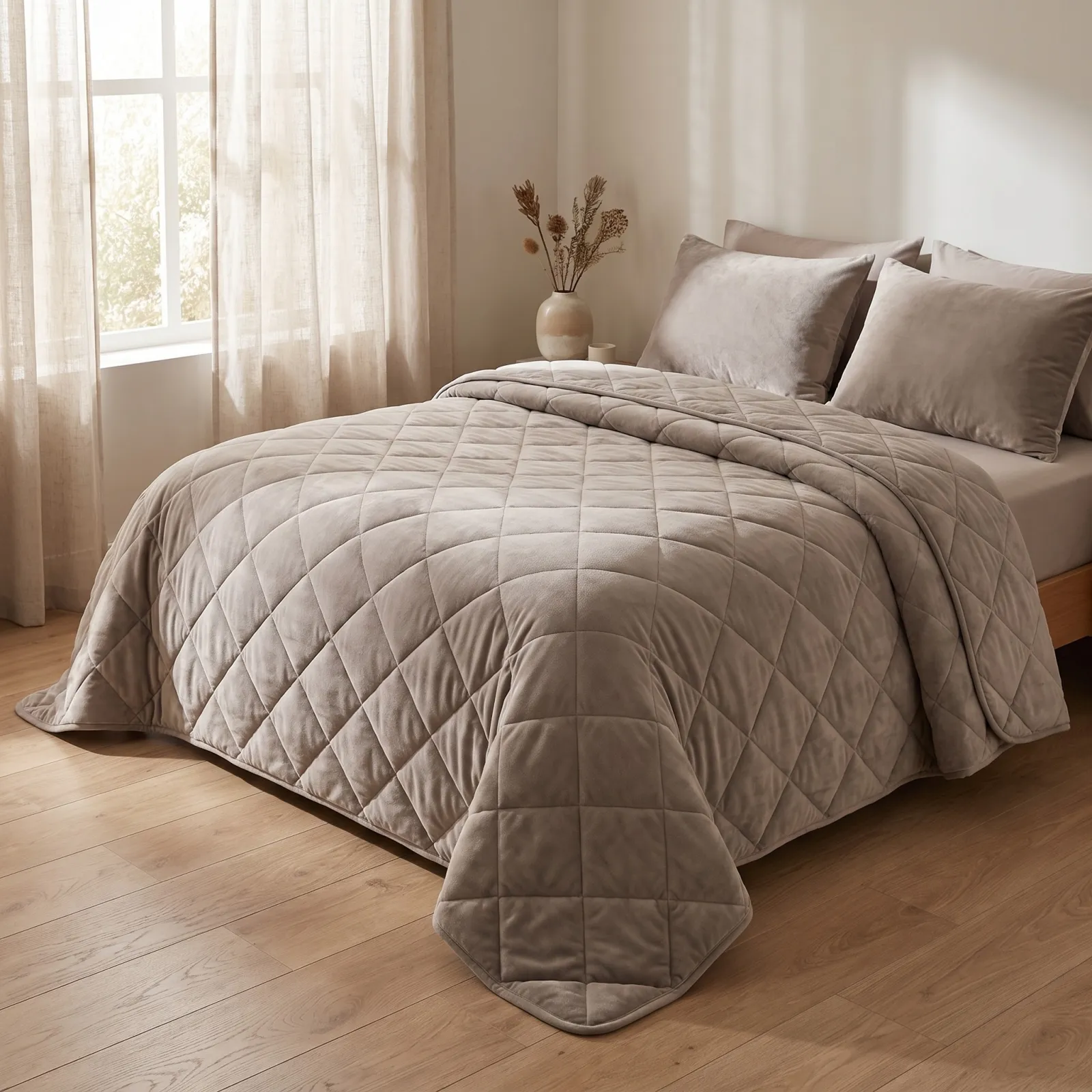
Next, look at the seams. They should be stitched evenly, with no loose threads or skipped stitches. Pay particular attention to the corners and to where the pile disappears into the seam. A seam that pulls the pile inwards leaves a visible line in the cover. Corner ties are handy, provided they are securely attached.
Feel the inner side as well. On many velvet covers it is made of a different, smoother fabric than the outside. It should be soft, let the duvet slide in easily and not pill or stick after washing. An attractive outer side with a stiff inner side often leads to complaints about how it feels to sleep under the duvet.
How do you check the colourfastness of velvet?
Wash a sample according to the label and then compare it with an unwashed piece. Check whether the colour has stayed the same, whether the pile still looks as full and whether the wash water has discoloured. Also rub a white cloth over the fabric to see whether any colour comes off. With dark shades, such as deep green or anthracite, this test matters most.
Also watch for differences between deliveries. So keep a reference sample with every purchase and place new batches next to it. Differences stand out on the shelf wall, where covers hang side by side. You can read more about colour choice and combinations in our article on buying velvet and chenille bedding.
If the fabric carries a quality label, always ask for the certificate. Labels apply per article and not to an entire collection.
How do you let customers feel velvet in store and see it online?
Velvet sells on touch. In store, letting customers touch the fabric works better than explaining it. Online, the product page has to replace that experience as well as it can. You can read more about colour, pillowcase combinations and presentation in our article on velvet bedding for shop and webshop.
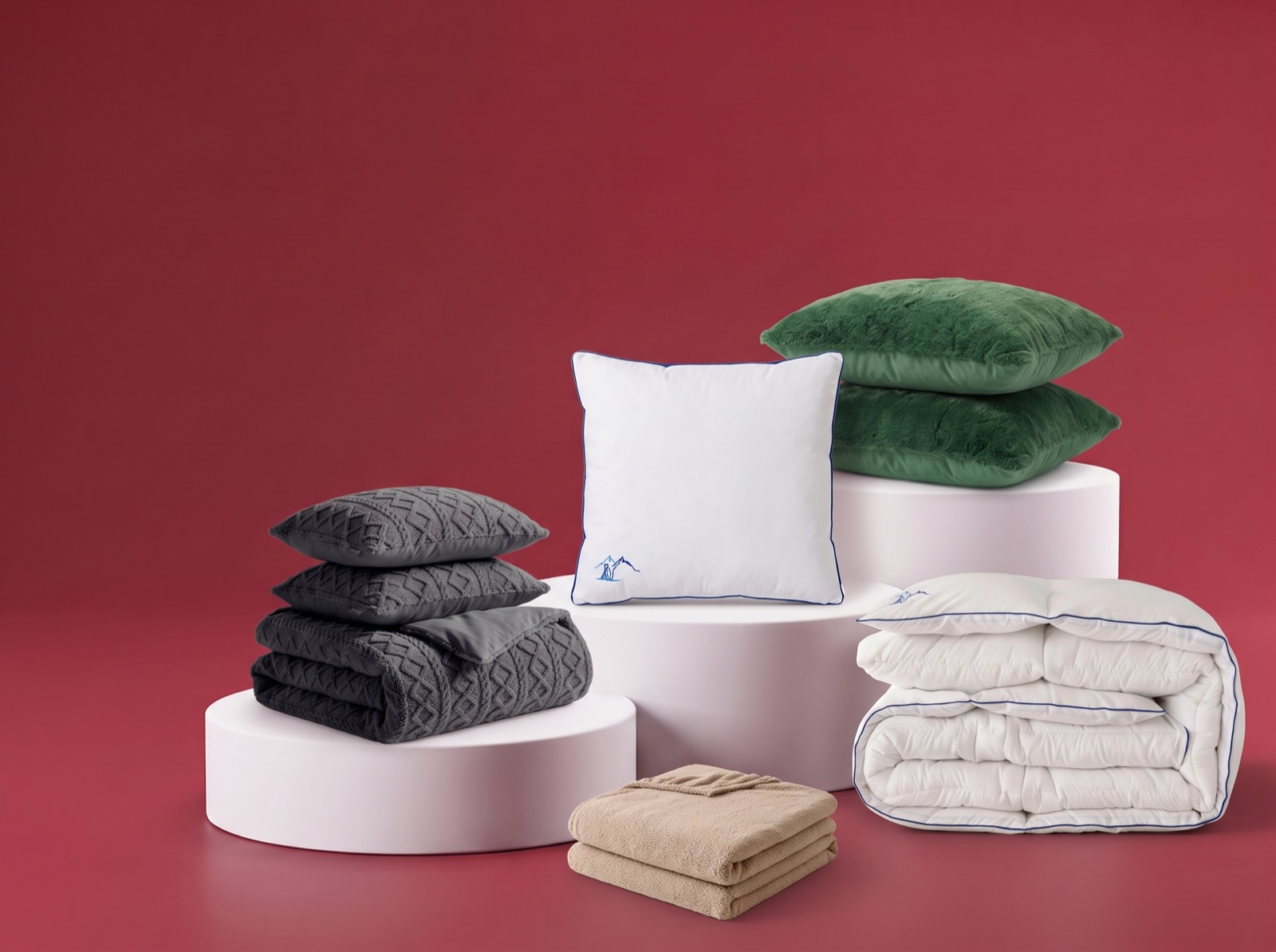
Keep velvet and teddy separate, both on the shelf and on the product page. Teddy has a fluffy, woolly texture. Velvet has a short, smooth and dense pile. If you mix them up, you will get questions from customers and disappointed returns.
Practical points for shelf and webshop:
- Hang a cover open or fold a corner over, so customers can feel the pile in both directions.
- Display velvet next to a flat cotton or satin fabric, so the difference is immediately noticeable.
- Use photos taken in daylight and add a close-up of the pile, including for relief such as pintuck or emboss.
- Use one fixed name per colour, so that shop, webshop and label all use the same name.
- State the fabric weight, composition and washing instructions on the product page.
- Mention in the description that, because of the pile, the colour can look different depending on the viewing angle.
Frequently asked questions
What is the difference between velvet and teddy?
Velvet has a short, dense and smooth pile with a velvety surface. Teddy has a fluffy, woolly texture that resembles sheepskin. They are different fabrics, each with its own look and its own washing advice. So never use the two terms interchangeably in your range or on your product pages.
How do I check the pile direction on a sample?
Stroke the fabric with your hand and then turn the cover a quarter turn. If you see the same shade and an even sheen in both directions, the pile is consistent. Visible streaks or panels that differ from each other point to a different cutting direction.
What weight should a velvet duvet cover have?
That depends on the look you want. Heavier velvet feels more luxurious and drapes better, while lighter velvet is more supple and dries faster. Ask for the weight in grams per square metre and only compare covers of the same fabric type.
Why is colourfastness extra important with velvet?
Because of the pile, velvet shows colour differences more readily than a flat fabric. A deviating shade stands out immediately next to a pillowcase or on a shelf wall. So wash a sample, rub the fabric and always compare new batches with a reference sample from your earlier purchase.
Are you a shop owner, webshop owner or buyer for a hotel or holiday park and do you want to assess velvet on a sample? Request a business account at mpstextiles.com and we will look together at what suits your range.